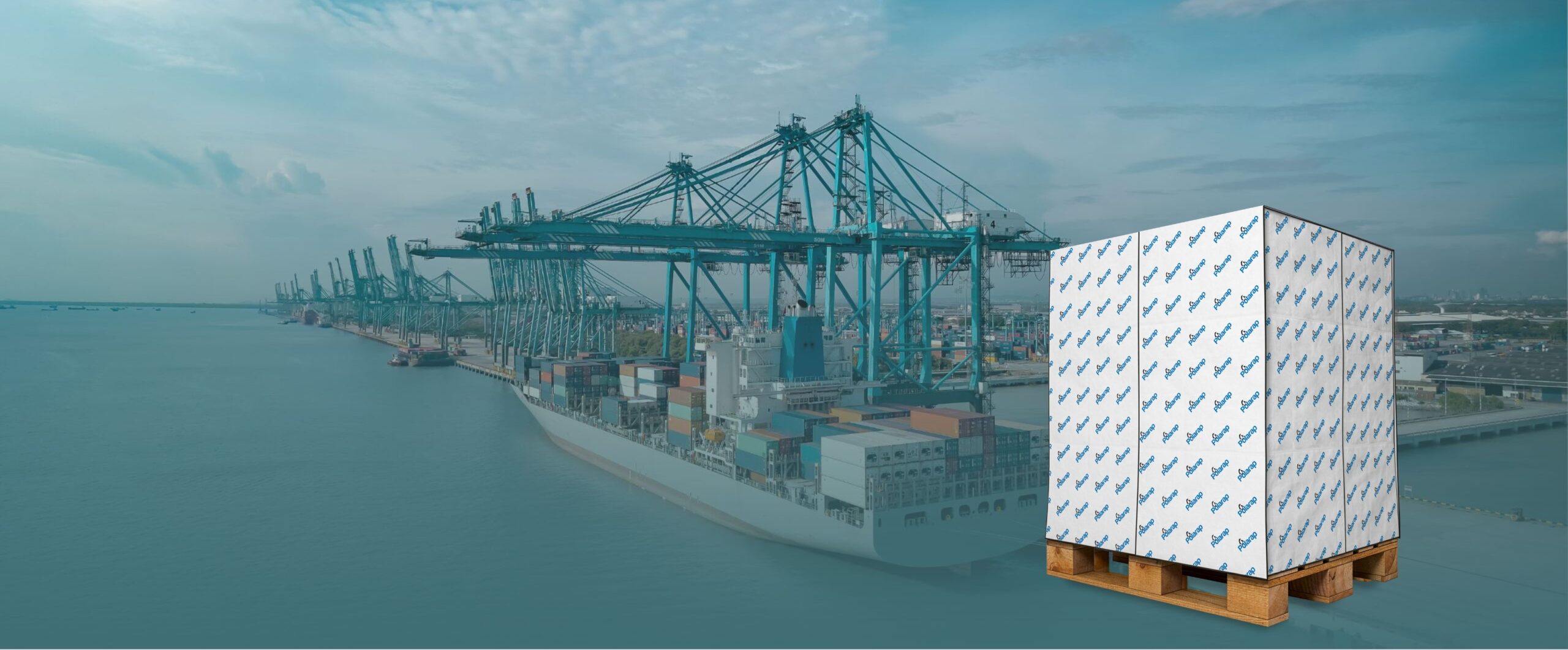
Pharma logistics is undergoing one of the most significant shifts in decades as companies look for scalable, measurable ways to reduce carbon emissions across global supply chains. With Scope 3 emissions now representing more than 70% of the total environmental impact of pharmaceutical distribution, logistics teams are adopting new strategies that tackle the problem from multiple angles. Two areas are emerging as the most impactful: modal shift from air to sea freight and the adoption of reusable PCM thermal covers that reduce waste, emissions, and cost.
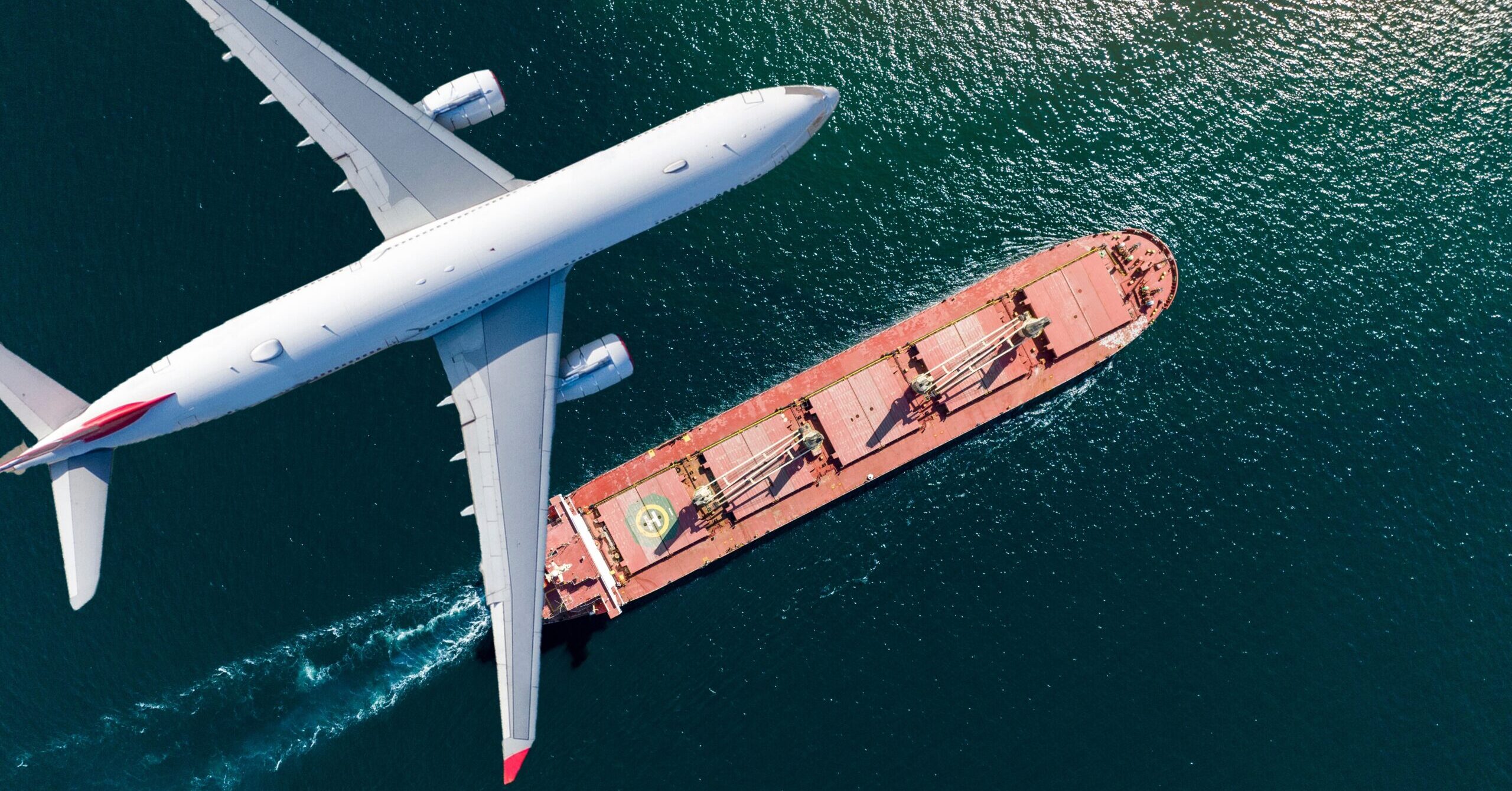
Selecting the right freight option is a strategic decision that affects cost, reliability, compliance, and customer satisfaction. For businesses unfamiliar with logistics, the choice between air and sea freight can be confusing. For logistics professionals and pharmaceutical companies, the decision carries even greater weight due to regulatory and operational considerations.
In global logistics, some of the most critical risks occur during the shortest stages of a shipment’s journey. One of the most overlooked of these is tarmac exposure in cargo operations. While cargo may only spend minutes or hours on the tarmac, this brief window can have a significant impact on product integrity, regulatory compliance, and overall supply chain performance.
For many businesses, sea freight is the backbone of global trade—yet it remains one of the least understood modes of transport. To those unfamiliar with logistics, sea freight can seem complex, slow, or difficult to manage. In reality, when planned correctly, it is one of the most reliable and cost-effective ways to move goods internationally.
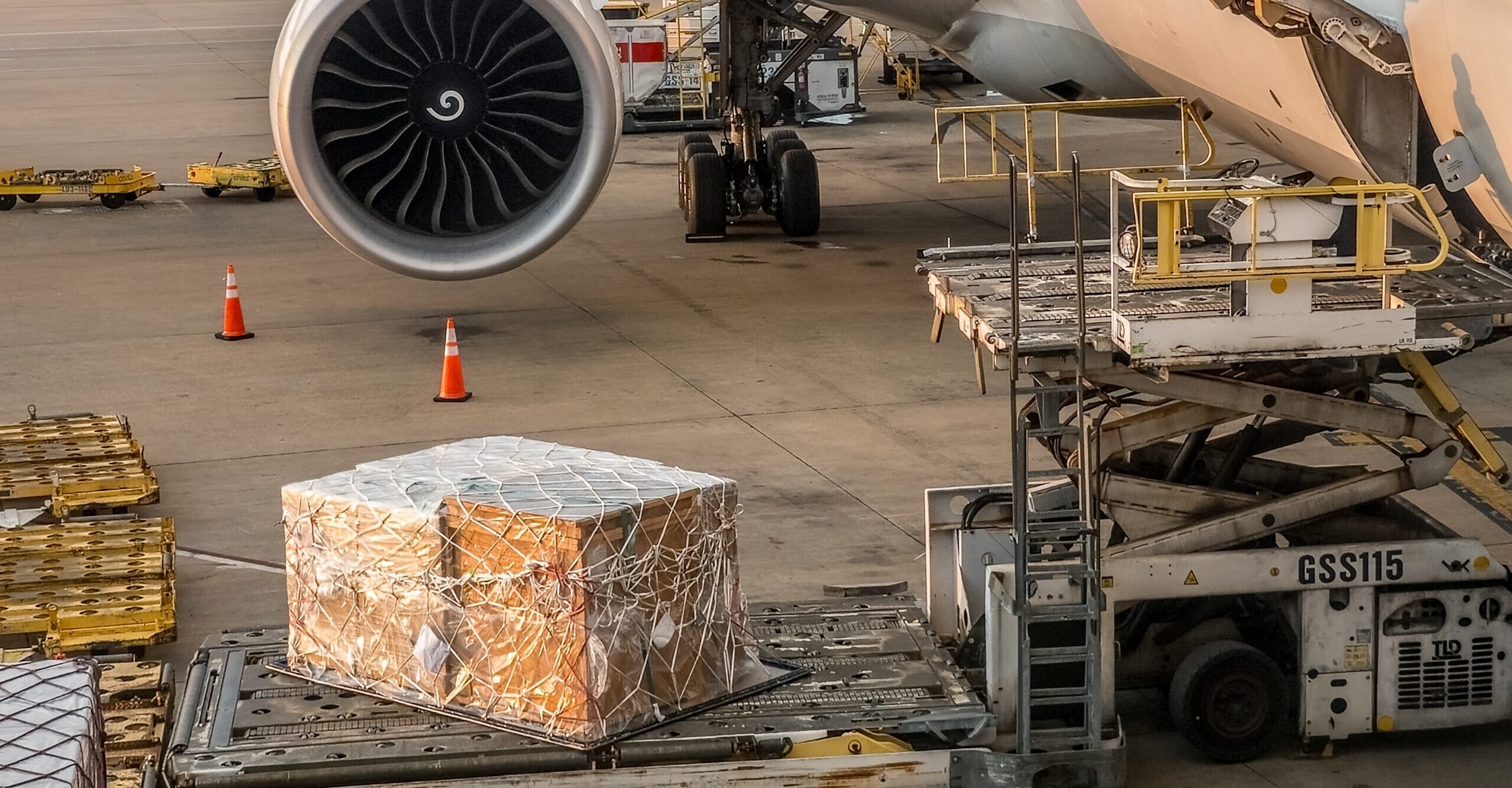
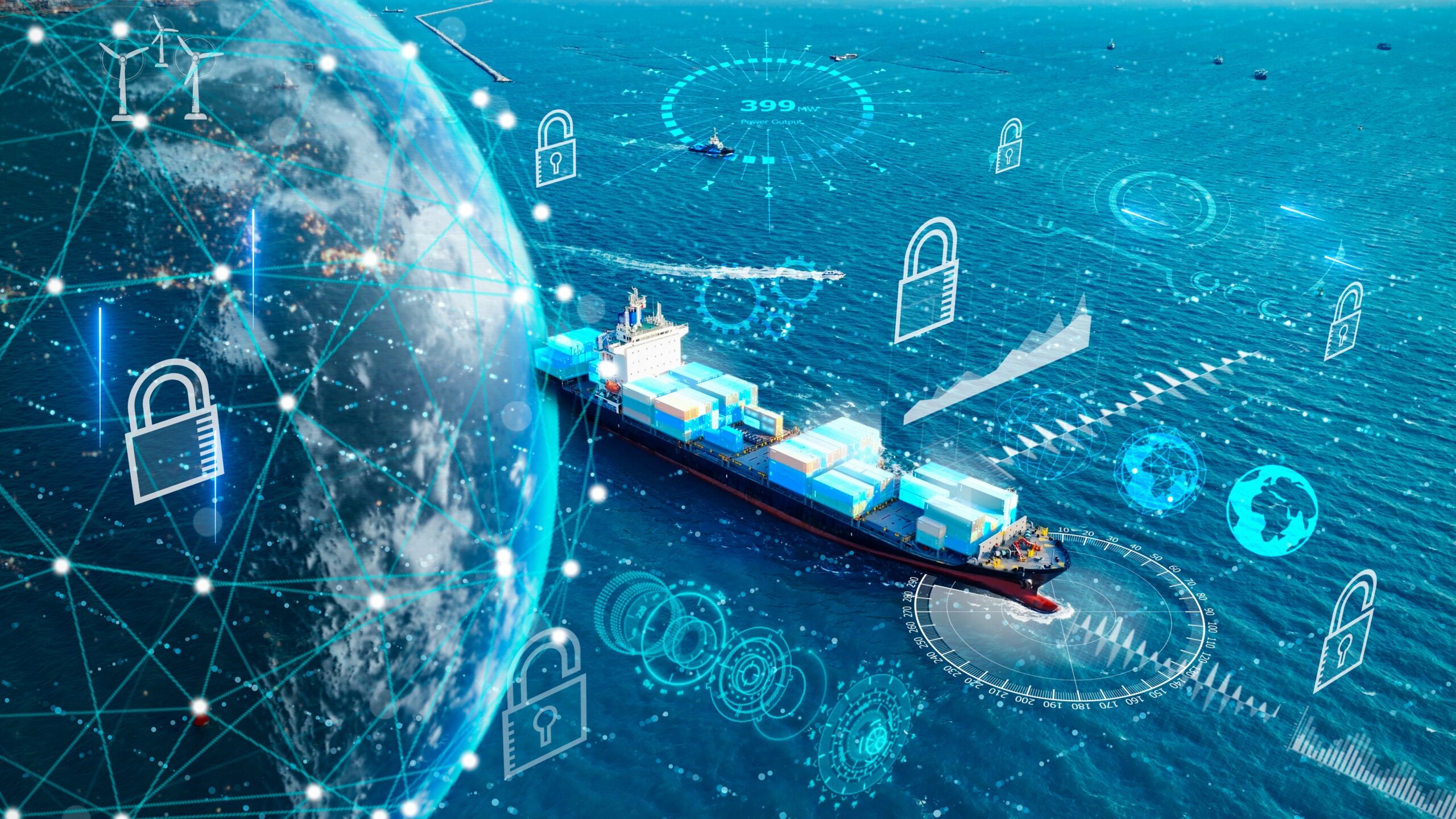
Logistics has traditionally been viewed as a behind-the-scenes function—essential, but largely invisible. Today, that perception is changing rapidly. Digital transformation in logistics is reshaping how goods move around the world, bringing greater transparency, efficiency, and control to global supply chains.
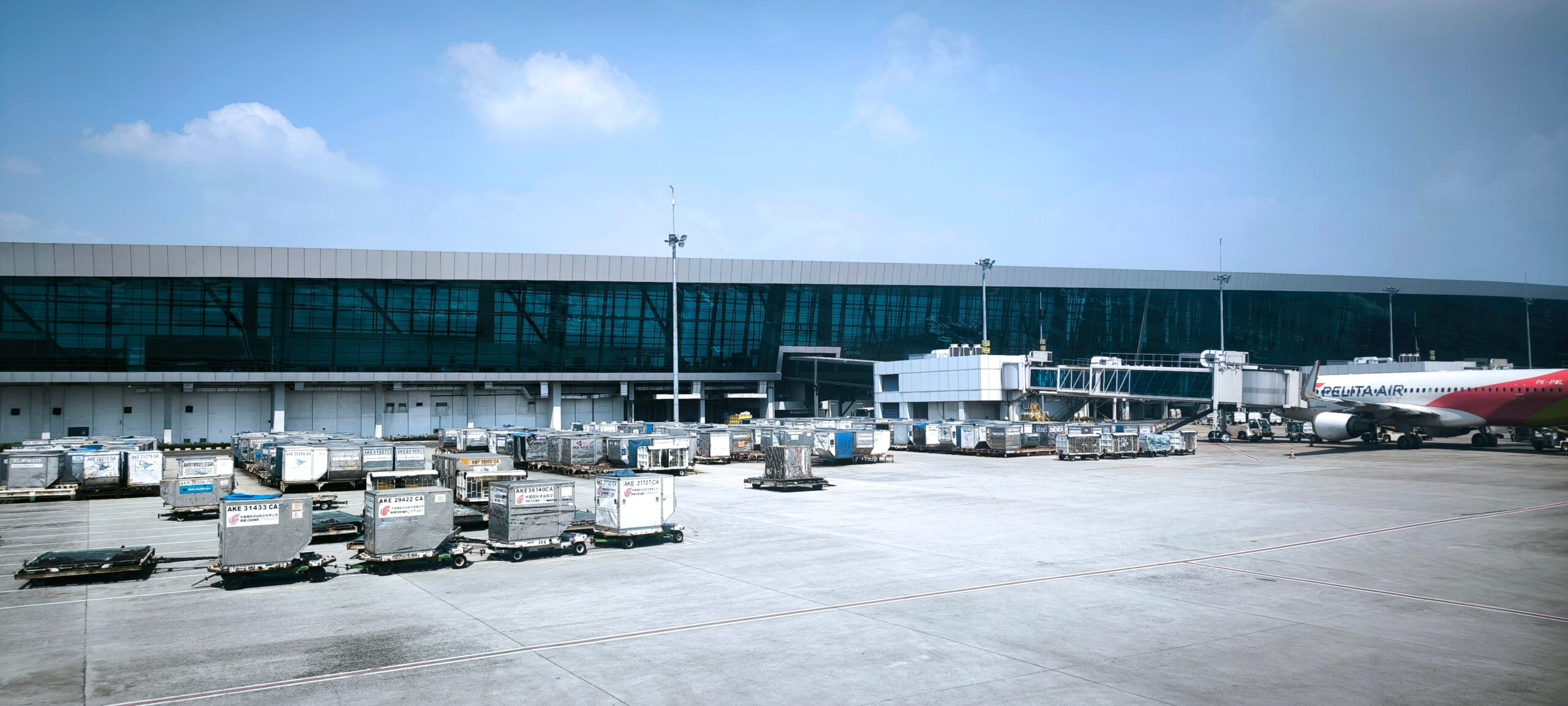
Lowering carbon emissions in pharma cold-chain logistics has become a top priority for global pharmaceutical manufacturers, 3PLs, forwarders, and the wider healthcare supply chain. As companies publish more detailed ESG reports and expand their Scope 3 emissions monitoring. Even seemingly small operational choices—such as the weight of your thermal pallet covers—now play an unexpectedly large role in carbon reduction strategies. Lightweight thermal pallet covers, especially PCM-based innovations like Polarap from TLX Cargo, are emerging as one of the simplest, fastest, and most cost-effective ways to reduce emissions without compromising temperature stability in transit.

Discover how digital innovation is transforming logistics with AI, IoT tracking, and sustainable solutions for a smarter, more efficient supply chain.
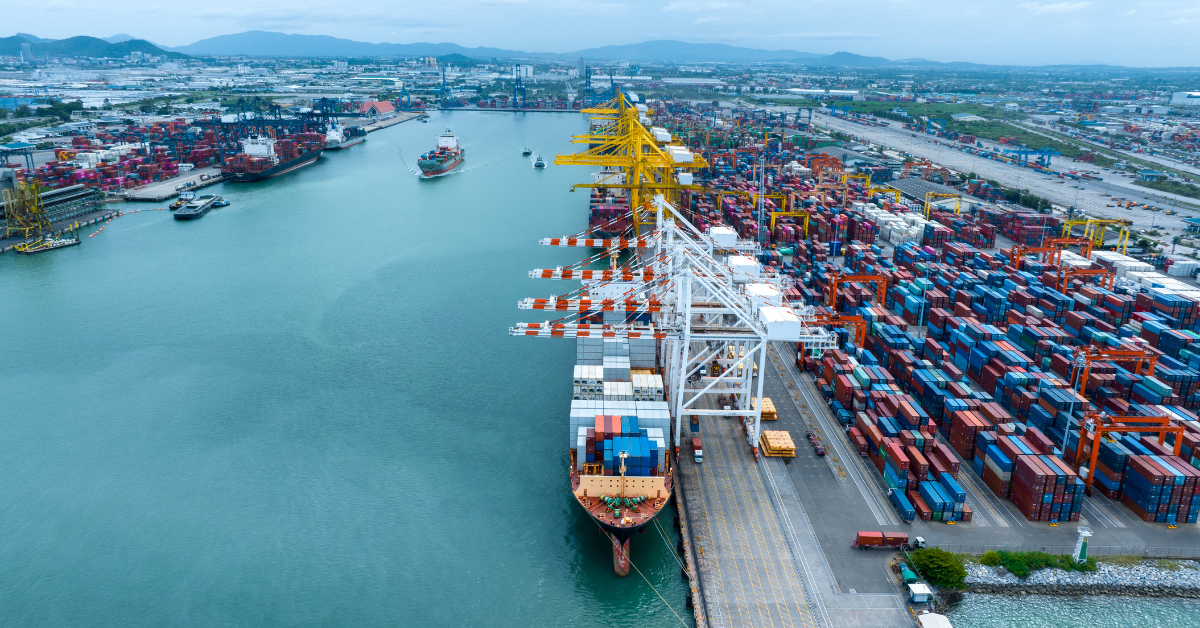
Discover why pharmaceutical companies are shifting from air freight to sea freight for cost and sustainability benefits.
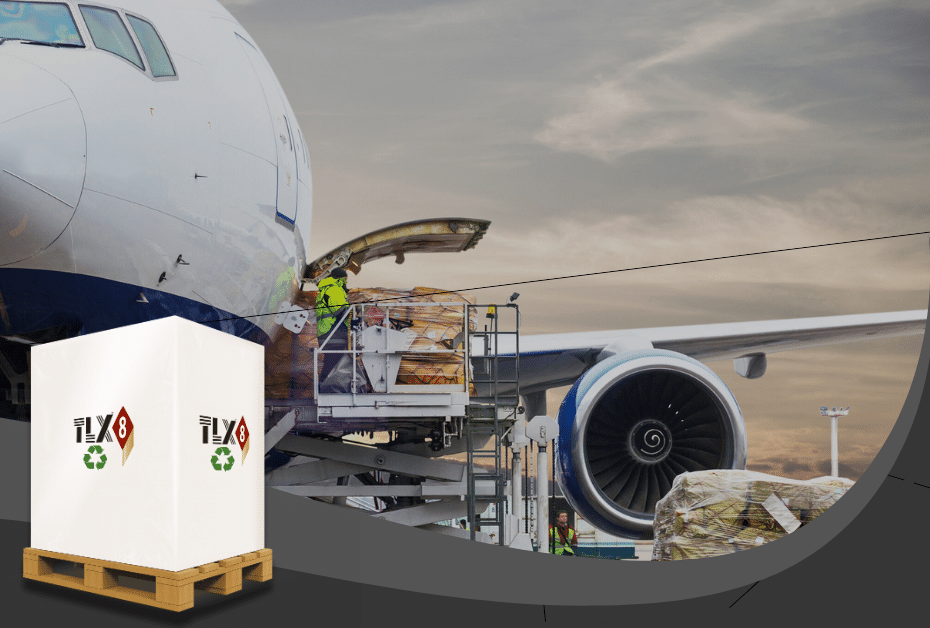
Discover how temperature data loggers ensure the safe transportation of temperature-sensitive goods like pharmaceuticals and perishables.
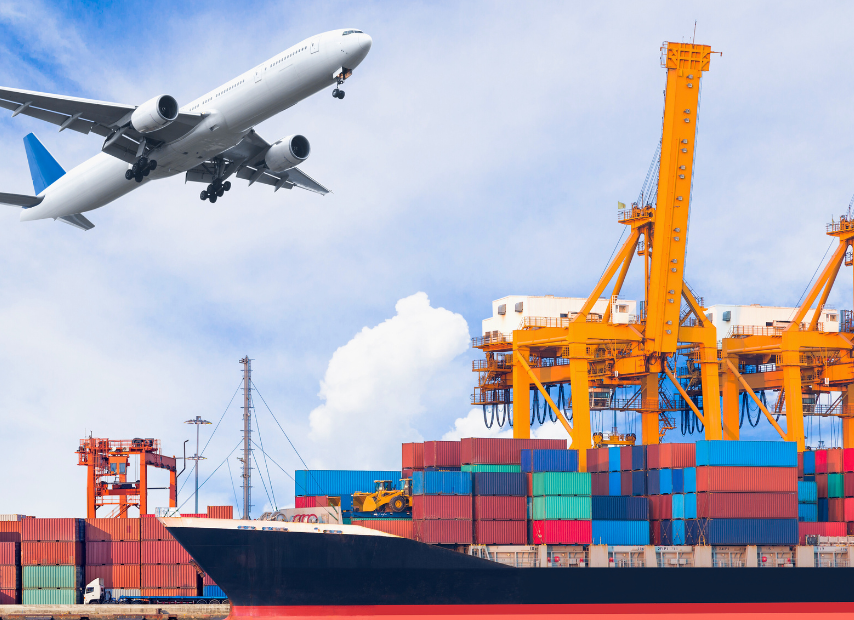
Explore the differences between air and sea freight, including cost, and environmental impact, to help you select the ideal shipping method.