When transporting goods across borders, the choice between air and sea freight is one of the most critical decisions businesses face. While the primary differences between the two methods—speed, cost, and environmental impact—may seem straightforward, a deeper look reveals a more detailed picture.
Key Considerations When Choosing Between Air and Sea Freight
When evaluating air versus sea freight, several questions often come to mind:
Which method offers better protection for perishable goods?
How quickly do goods need to reach their destination?
What are the trade-offs in cost, speed, and convenience?
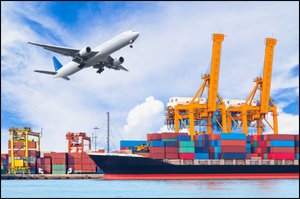
Deciding the optimal mode of transport for your business hinges on factors such as distance, cargo type, time sensitivity, cost, safety, and accessibility.
Air Freight: Speed and Precision
Air freight has long been the preferred choice for high-value, perishable, or time-sensitive goods as it remains the fastest way to transport goods internationally.
Benefits of Air Freight
Speed: Air freight can deliver shipments in days rather than weeks, even when trans-shipments are involved. This is especially beneficial for businesses with tight timelines or those looking to gain a competitive edge through rapid market entry.
Inventory Efficiency: Faster shipping can lower inventory carrying costs, freeing up capital and reducing the need for extensive storage.
Cargo Variety: Air freight is suitable for a wide range of perishable goods, such as flowers, fresh produce, and pharmaceuticals. Temperature-sensitive products often require close monitoring, which air freight companies are well-equipped to provide, minimizing the risk of spoilage.
Global Reach: Air freight offers unmatched flexibility in reaching international destinations, making it ideal for global supply chains and markets with limited sea access.
While air freight remains unrivalled in speed, its high cost can be a limiting factor, particularly for bulk shipments.
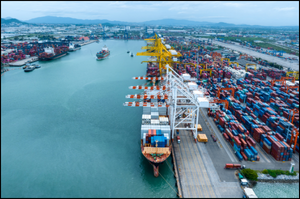
Sea Freight: Cost-Effective and Environmentally Friendly
Sea freight is a reliable, cost-effective alternative for businesses that prioritise budget over speed. It is often the go-to method for companies transporting bulk goods or those with less stringent delivery timelines.
Benefits of Sea Freight
Lower Costs: Sea freight is considerably less expensive than air freight, particularly for large or bulky shipments. Smaller shipments can be consolidated with other goods to fill a container, lowering transportation costs by sharing space.
Reduced Carbon Footprint: Sea freight is more environmentally friendly than air transport, producing far fewer carbon emissions per ton. This makes it the most carbon-efficient mode of transportation, supporting sustainable logistics goals.
High-Volume Capability: Ships are designed to carry high volumes of cargo, making them ideal for bulk goods. Larger shipments can be moved in single or multiple containers, providing economies of scale.
Versatility in Cargo Types: Unlike air freight, sea transport can safely carry hazardous materials and oversized items. The shipping industry is well-versed in managing dangerous goods, with strict regulations in place to protect both the cargo and the environment.
Security and Safety: Modern sea freight offers high security for cargo, with containers sealed and locked to prevent tampering. Advances in maritime safety have also led to lower rates of cargo loss over the past decade.
While sea freight is generally slower than air, recent innovations in marine logistics and technology are helping to reduce transit times, making it increasingly competitive for certain types of shipments.
Comparing Air and Sea Freight: Key Points to Consider
When weighing the benefits of air and sea freight, it is essential to align the decision with your business’s priorities:
Time Sensitivity: If speed is essential, air freight is the clear choice, delivering shipments in days. For shipments where timing is less critical, sea freight provides significant cost savings.
Cargo Type: Perishable or temperature-sensitive items, such as pharmaceuticals or fresh produce, may benefit from the faster transit times and specialised handling of air freight. Meanwhile, non-perishable bulk goods are well-suited to sea freight.
Environmental Impact: Air freight has a significantly higher carbon footprint than sea freight. Companies looking to reduce their environmental impact often choose sea freight for its lower emissions.
Cost Efficiency: While air freight can be a valuable option for high-margin, time-sensitive goods, it is considerably more expensive than sea freight. Sea freight’s lower cost structure is a better fit for high-volume or less time-sensitive shipments.



Choosing the Right Freight Option for Your Business
The choice between air and sea freight ultimately depends on your business’s specific needs. Consider the following to determine the best fit:
Deadlines and Market Demand: If rapid delivery is essential, air freight’s speed offers a competitive advantage. However, if budget constraints are paramount and the delivery timeline is flexible, sea freight provides substantial cost savings.
Environmental Responsibility: For companies committed to reducing their carbon footprint, sea freight offers an opportunity to lower emissions, particularly over long distances.
Cargo Security: Both methods offer secure transportation options, but sea freight has a strong track record in handling hazardous and large-volume cargo.
Each freight option has its strengths and challenges, making it essential for businesses to assess their own priorities before deciding. Whether you choose air or sea freight, the logistics landscape continues to evolve, providing more tools and choices for meeting today’s diverse shipping demands.
Interested to find out more?
For guidance on finding the right temperature control solutions for your shipping needs, feel free to get in touch. We would love to hear from you. Our helpful team are on hand to help, simply call 01204 695666 or email us at sales@tlxcargo.com. With thermal covers temperature control, you can ensure your products are safe during transportation.