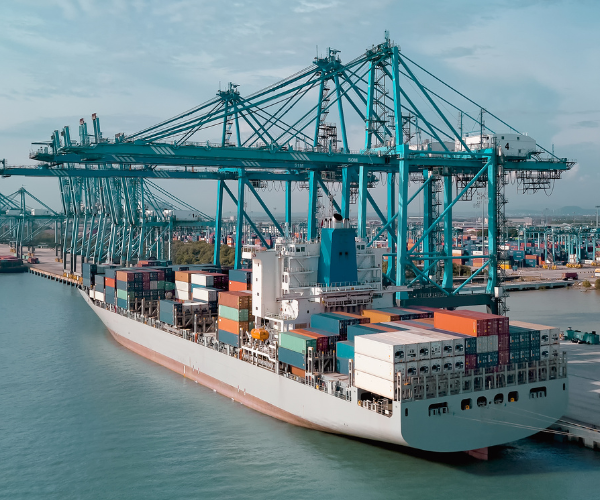
For many businesses, sea freight is the backbone of global trade—yet it remains one of the least understood modes of transport. To those unfamiliar with logistics, sea freight can seem complex, slow, or difficult to manage. In reality, when planned correctly, it is one of the most reliable and cost-effective ways to move goods internationally.
This guide breaks down sea freight logistics explained in clear, practical terms. It is designed for a general audience while still offering depth for logistics professionals and pharmaceutical companies that operate in regulated environments.
Sea freight logistics refers to the transportation of goods via ocean vessels, typically using standardised shipping containers. It is commonly used for large volumes of cargo, non-urgent shipments, and goods that benefit from lower transport costs.
Compared to air freight, sea freight offers:
While transit times are longer, sea freight plays a vital role in global supply chains, supporting industries ranging from manufacturing and retail to pharmaceuticals and healthcare.
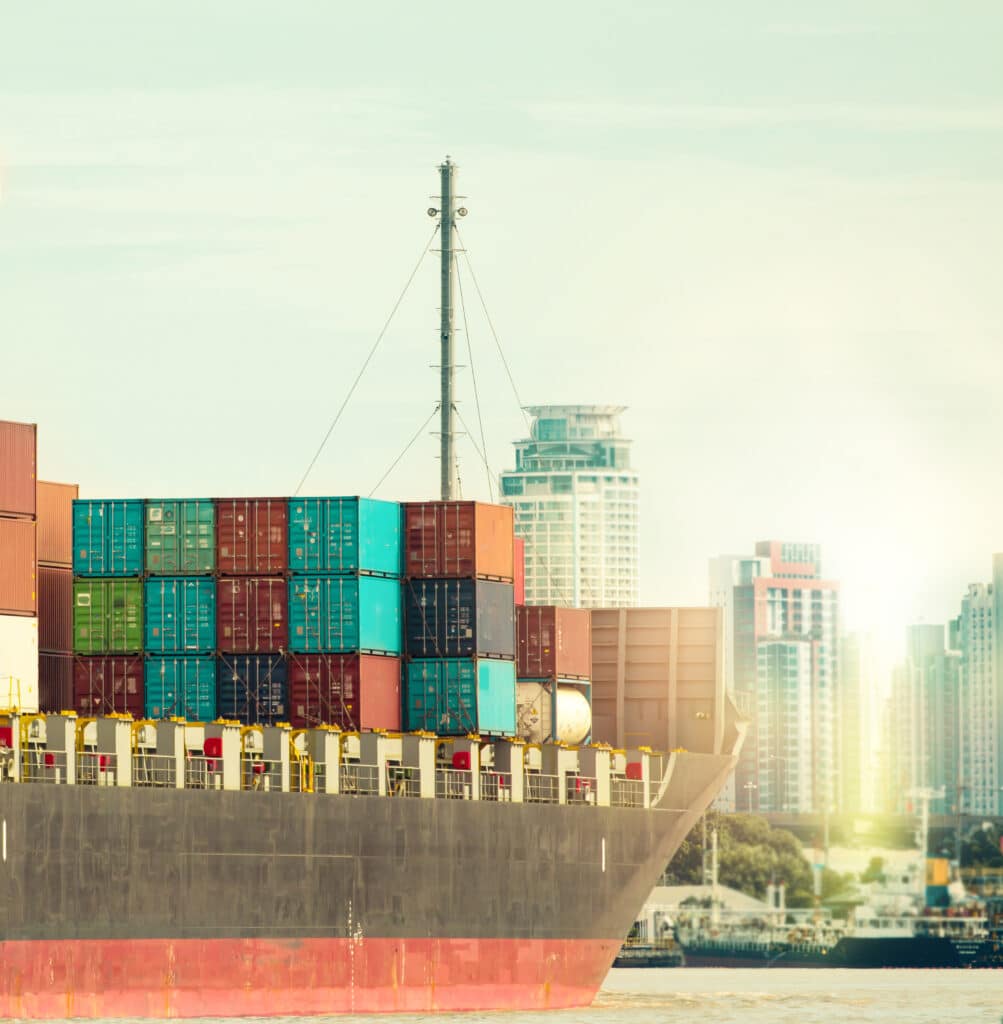
Understanding sea freight logistics is easier when broken down into clear stages.
The process begins with booking space on a vessel through a freight forwarder such as TLX Cargo. At this stage, key documentation is prepared, including shipping instructions, commercial invoices, and export declarations.
Accurate documentation is essential. Errors can cause delays, customs holds, or compliance issues at destination ports.
Cargo is packed into containers—either full container loads (FCL) or less-than-container loads (LCL), depending on shipment size. For regulated or sensitive cargo, packing methods and materials must meet industry standards.
Once sealed, containers are transported to the port terminal for loading onto the vessel.
During ocean transit, cargo may spend several weeks at sea depending on the route. While this stage is relatively stable, external factors such as weather, port congestion, or schedule changes can affect arrival times.
For pharmaceutical and sensitive cargo, temperature control and monitoring during transit are key considerations.
Upon arrival, containers are unloaded, cleared through customs, and released for onward transport. This final stage often determines overall delivery speed, making efficient customs clearance and coordination critical.
Compliance is a central element of sea freight logistics, particularly for international shipments. Each country has specific customs requirements that must be met before cargo can be released.
Key documentation includes:
For pharmaceutical companies, additional requirements may apply, such as proof of temperature control, product classification, and compliance with Good Distribution Practice (GDP) guidelines.
Working with an experienced logistics partner helps ensure that documentation is accurate, complete, and aligned with regulatory expectations.
Although sea freight is highly reliable, it is not without risk. Understanding these risks is an important part of sea freight logistics, as explained.
Ocean transit times are longer and can be affected by port congestion, weather conditions, or schedule changes. Proper planning and buffer time help manage this risk.
While sea freight is increasingly used for pharmaceutical products, temperature control must be carefully managed. Container selection, monitoring solutions, and route planning all play a role in protecting cargo integrity.
Customs inspections or documentation issues can delay cargo at destination ports. Proactive compliance checks reduce the likelihood of delays.
Containers may be handled multiple times during their journey. Appropriate packaging and loading methods reduce the risk of damage.
recent years, pharmaceutical companies have increasingly turned to sea freight as a viable alternative to air transport. Advances in container technology and monitoring solutions have made sea freight a reliable option for many temperature-sensitive products.
Benefits for pharmaceutical companies include:
However, success depends on careful planning, risk assessment, and compliance management. Pharmaceutical sea freight shipments require end-to-end visibility and documented control over handling conditions.
A key part of sea freight logistics explained is understanding the role of freight forwarders. Forwarders act as coordinators, ensuring that all elements of the shipment—from booking to delivery—work together smoothly.
TLX Cargo supports sea freight logistics by:
This expertise allows businesses to focus on their core operations while maintaining confidence in their supply chain.
TLX Cargo takes a structured, proactive approach to sea freight logistics. By combining operational experience with regulatory knowledge, TLX Cargo helps businesses navigate the complexities of international shipping.
Key areas of support include:
For pharmaceutical and regulated industries, TLX Cargo’s focus on compliance and control helps ensure that sea freight shipments meet both operational and regulatory expectations.
For businesses unfamiliar with freight, sea freight may appear daunting. However, a clear understanding of how it works enables better decision-making, improved cost control, and reduced risk.
Sea freight logistics explained in practical terms highlights the importance of choosing experienced partners, planning ahead, and recognising compliance as a core component of international trade.
Sea freight remains a cornerstone of global logistics, offering cost-effective and scalable solutions for businesses worldwide. By understanding each stage of the process, the associated risks, and the importance of compliance, businesses can use sea freight with confidence.
With the right planning and expert support, sea freight is not just a transport option—it is a strategic advantage. TLX Cargo’s experience in managing complex and regulated shipments makes it a trusted partner for businesses navigating international sea freight.
To learn more about how TLX Cargo can support your sea freight requirements, contact TLX Cargo today.