Temperature-controlled air cargo plays a critical role in global supply chains, particularly for pharmaceuticals, life sciences, and other sensitive goods. Despite advanced packaging and monitoring technologies, temperature excursions remain a frequent and costly challenge.
Understanding reducing temperature excursions in air cargo starts with recognising that most failures do not occur during flight. Instead, they happen during short, often underestimated stages of the journey, particularly on the ground.
This guide explores why temperature excursions occur, why they are so hard to eliminate entirely, and how a smarter, system-wide approach can significantly reduce exposure risk.
A temperature excursion occurs when a shipment moves outside its approved temperature range for any length of time. Depending on the product, even brief exposure can compromise quality, efficacy, or compliance.
While excursion risk is widely recognised, its causes are often oversimplified. Many assume failures result from packaging issues alone, when in reality, they reflect a combination of handling, environment, and operational constraints.
For regulated products, the consequences extend beyond product loss to include investigations, documentation, and potential supply disruption.
Contrary to common belief, aircraft holds are not usually the primary source of temperature deviation. The most vulnerable stages occur before loading and after unloading.
Cargo waiting on aprons, moving between terminals, or staged during ground handling is exposed to ambient conditions that fluctuate rapidly. Weather, congestion, staffing constraints, and rigid schedules can all contribute to delays that increase exposure time.
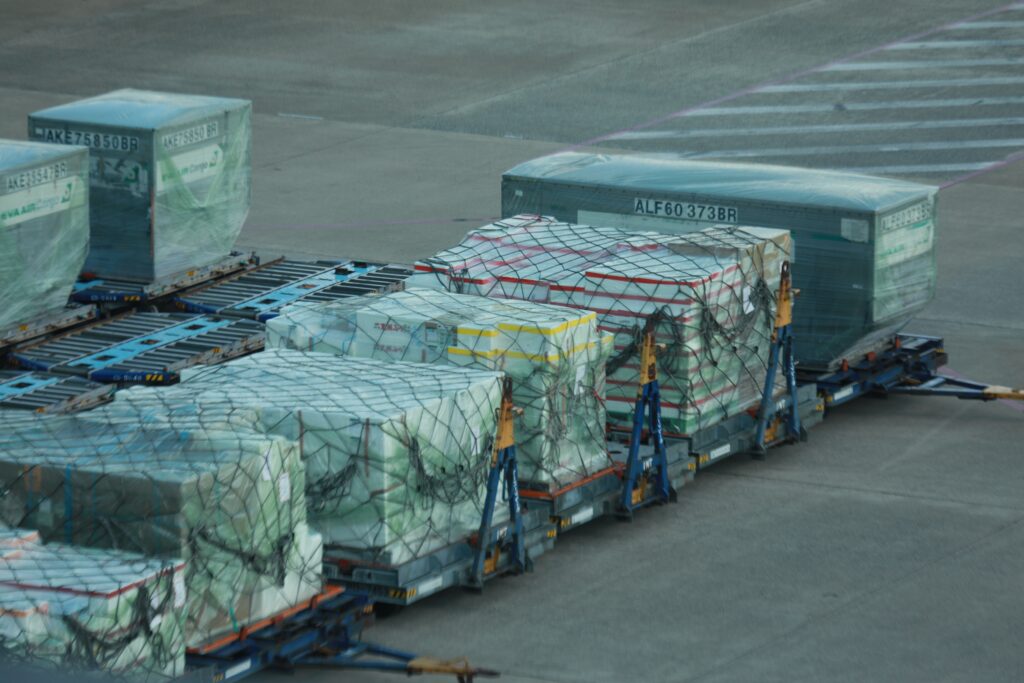
Even well-designed packaging has limits. Extended dwell times or repeated handling can gradually push internal temperatures beyond safe thresholds.
This is particularly true during tarmac exposure and reefer unplug periods, where temperature-sensitive cargo can experience sudden thermal stress. Solutions such as TLX Polarap use advanced PCM (Phase Change Material) Fibre-Flex technology to provide an additional thermal buffer during these vulnerable stages, helping maintain stable conditions for 7–10 hours during air and ocean freight disruptions.
Air cargo operations rely on tight coordination between multiple parties. Despite best intentions, variables such as aircraft changes, customs clearance delays, or late arrivals can disrupt even well-planned movements.
Traditional mitigations often focus on monitoring rather than prevention. While data loggers and alerts are essential for visibility, they do not actively protect products during exposure events.
Reducing temperature excursions in air cargo requires an additional protective layer that works passively, consistently, and independently of infrastructure availability.
Modern PCM-based protection systems are increasingly being adopted because they actively stabilise temperature rather than simply delaying temperature change. Unlike conventional insulation alone, PCM materials absorb and release thermal energy in a controlled way, helping reduce rapid temperature spikes during handling and transit.
One of the most effective ways to reduce exposure risk is by protecting shipments at the unit-load level rather than relying solely on environmental controls.
Advanced thermal covers provide a flexible solution by creating a buffered thermal environment around cargo during vulnerable stages. Used correctly, they help stabilise internal temperatures during ground handling, transfers, and unexpected delays.
This approach is particularly valuable in high-variability routes, seasonal extremes, or multi-leg shipments where predictability is limited.
Ultra-thin PCM systems such as TLX Polarap are designed specifically for these operational weak points. The lightweight 2 mm Fibre-Flex structure remains flexible even when frozen, can mould to different shipment shapes, and is available in both 2-8°C and 15-25°C configurations. Rapid conditioning times — as little as 1 to 1.5 hours — also make deployment practical within fast-moving airport operations.
Passive protection solutions do not require power, infrastructure, or human intervention once deployed. This makes them inherently robust across diverse operational environments.
By reducing the rate of heat gain or loss, thermal covers buy valuable time — often enough to bridge the gap between planned handling windows and real-world operations.
For logistics teams, this means fewer excursion investigations, greater confidence in lane performance, and improved risk management without adding operational complexity.
Reusable PCM protection systems also help reduce packaging waste, cold-room demand, and shipment weight compared with heavier traditional thermal systems or active containers. Their lightweight structure can improve payload efficiency while lowering operational and environmental costs.
Reducing temperature excursions in air cargo is rarely achieved through a single intervention. Instead, it comes from layering controls that work at different stages of the journey.
Thermal protection complements existing packaging, SOPs, and monitoring processes. It does not replace them, but strengthens the overall system by addressing the most unpredictable elements of transport.
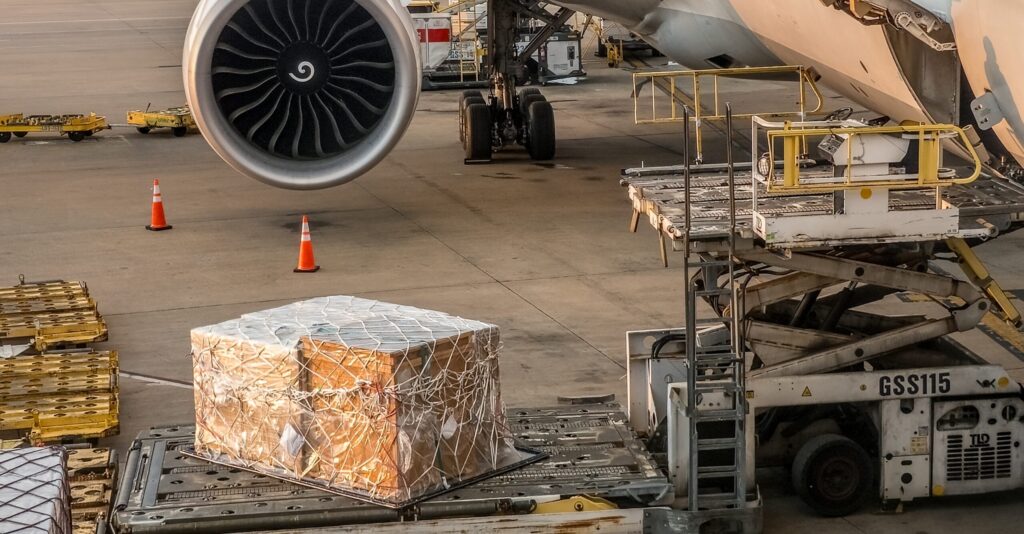
This layered approach aligns well with quality management expectations in regulated supply chains, where redundancy and risk mitigation are central principles.
Increasingly, pharmaceutical and life science shippers are integrating PCM-based thermal covers into broader GDP-compliant cold chain strategies to improve resilience during tarmac delays, cross-docking, reefer disconnections, and final-mile handling.
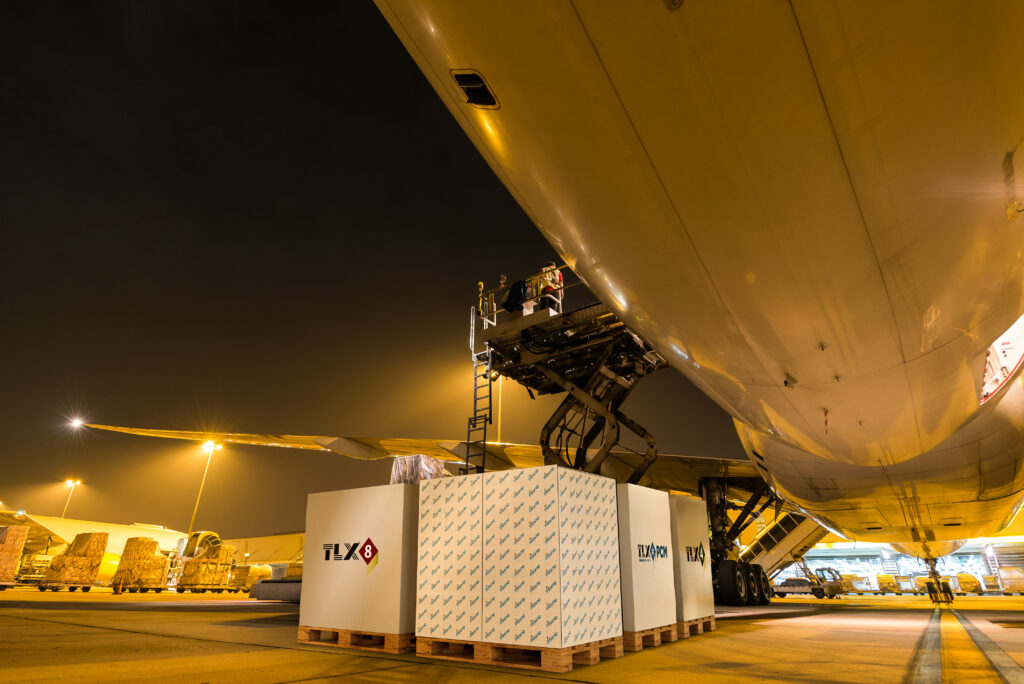
Unlike route-specific infrastructure investments, thermal cover solutions are flexible and scalable. They can be deployed selectively on high-risk lanes, seasonal flows, or particularly sensitive shipments.
Their ease of use allows consistent application without extending handling times — a critical consideration in fast-paced airport environments.
Over time, many operators find that reducing excursion incidents leads to measurable improvements in operational efficiency and stakeholder confidence.
Solutions with compact pack sizes and reusable construction can also simplify reverse logistics and storage requirements. Some systems can ship up to 30 units per euro pallet, helping operators improve space efficiency across global logistics networks.
While risk can never be eliminated entirely, targeted protection can significantly reduce both frequency and severity.
No. They are most effective as a complementary layer, particularly where active systems are not viable or proportionate.
In many cases, yes. Short exposure windows combined with extreme conditions often pose the greatest threat.
PCM materials absorb and release heat during phase transitions, helping stabilise temperatures during temporary exposure events such as tarmac delays or reefer unplug periods.
Reducing temperature excursions in air cargo requires shifting focus from detection alone to proactive protection. By addressing risks at their most vulnerable points, logistics teams can improve reliability without increasing complexity.
Advanced PCM solutions such as TLX Polarap demonstrate how passive thermal protection can strengthen cold chain resilience during the most unpredictable stages of transport, particularly where infrastructure or timing cannot always be controlled.
If you’re reviewing temperature control strategies or looking to strengthen high-risk lanes, TLX Cargo can help assess the right solution for your operation.
Contact TLX Cargo to discuss practical ways to reduce temperature-related risk in your supply chain.