The pharmaceutical supply chain is entering a period of rapid transformation. What was once a largely air-dominated, speed-driven logistics model is now evolving into something far more complex — and far more strategic.
As we look towards the end of the decade, one question is becoming increasingly important for manufacturers, logistics providers, and supply chain leaders:
What will cold chain logistics look like by 2030 — and how will pharma adapt?
Understanding this shift is critical, particularly as the industry moves towards more temperature-sensitive therapies, stricter regulations, and growing pressure to reduce environmental impact.
The foundation of any pharmaceutical supply chain is the cold chain logistics, designed to maintain strict temperature ranges from production to patient.
But the nature of what’s being transported is changing rapidly.
By 2030, the market will be dominated by:
These products are significantly more sensitive than traditional pharmaceuticals, often requiring tightly controlled environments throughout their journey.
At the same time, the scale of the industry is expanding rapidly. The pharmaceutical transportation market is projected to grow to over $120 billion by 2030, driven largely by demand for temperature-sensitive drugs and global distribution networks.
This combination of higher sensitivity + greater volume is placing unprecedented pressure on logistics systems.
And this is exactly why 1-hour conditioning is trending, it directly solves all four industry challenges at once.
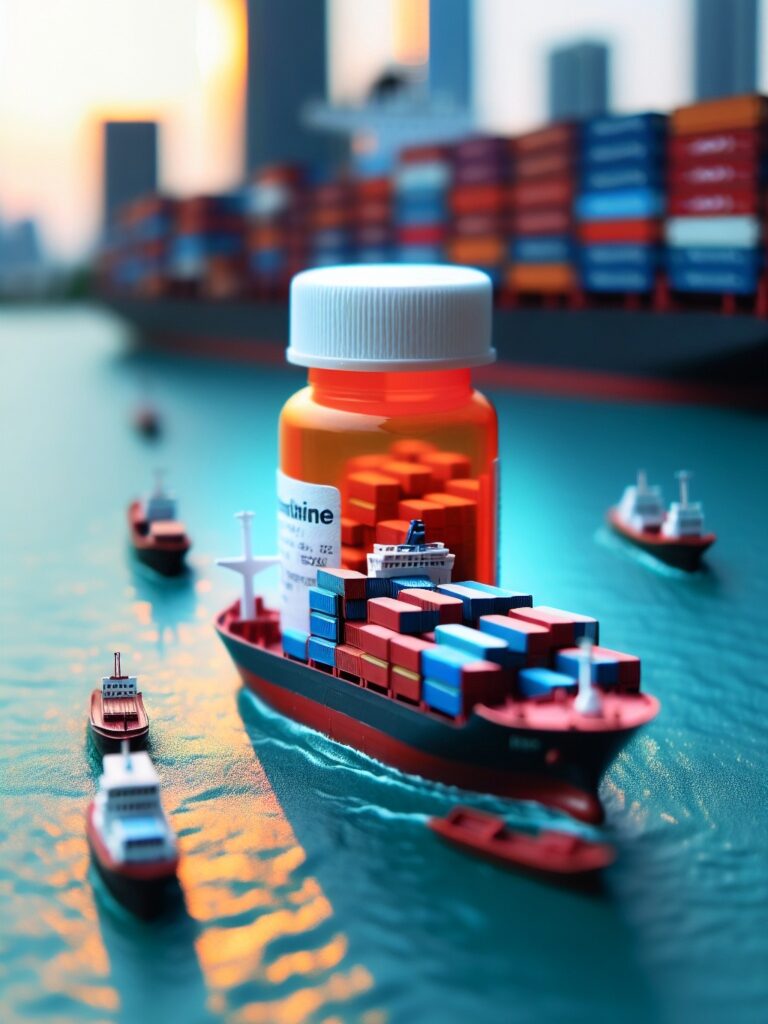
One of the most significant changes shaping the future of cold chain logistics is the gradual shift from air freight to sea freight.
Historically, air transport has dominated pharmaceutical logistics due to its speed and reliability. Even today, it remains the leading transport mode for high-value medicines.
However, this is beginning to change.
The primary driver is sustainability.
As a result, many organisations are actively shifting towards sea freight where possible, with industry reports highlighting a clear move toward modal change as a decarbonisation strategy.
While the environmental and cost benefits of sea freight are clear, the transition is not without challenges.
Compared to air transport, sea freight introduces:
Even today, temperature excursions are estimated to cost the industry billions annually due to product loss and spoilage.
Extending transit times only increases this exposure.
Looking ahead to 2030, another key factor shaping cold chain logistics is global instability and disruption.
Recent events have highlighted how fragile air-based supply chains can be. Disruptions to major air routes — whether due to geopolitical conflict, extreme weather, or infrastructure constraints — can quickly impact the movement of critical medicines.
As a result, pharma companies are increasingly:
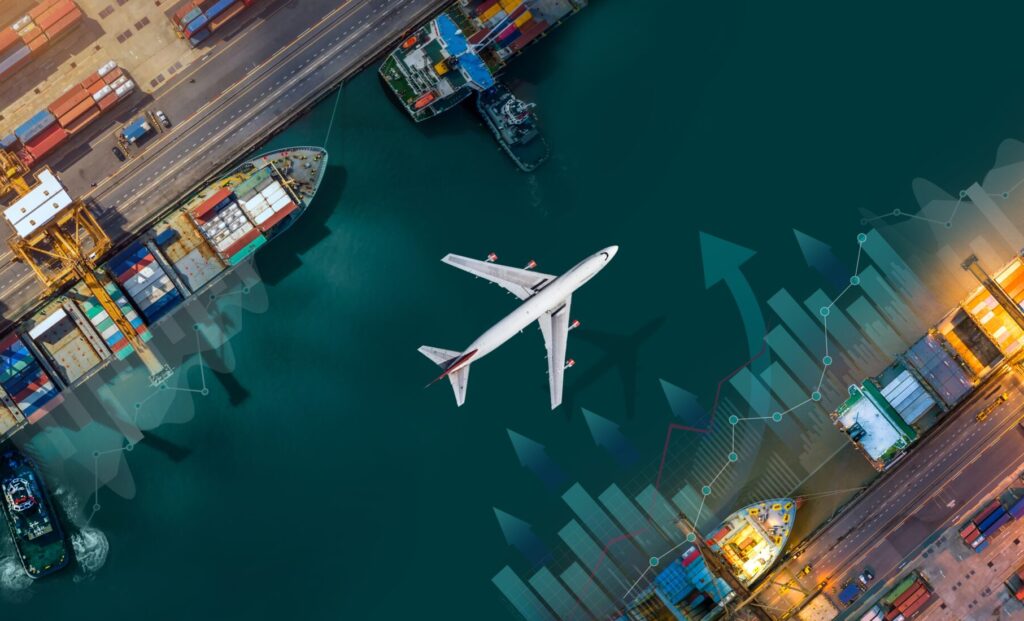
This further supports the shift toward multi-modal logistics strategies, where air, sea, and land transport are used interchangeably depending on risk and urgency.
Real-time tracking using IoT sensors and data analytics will become standard, allowing companies to detect and respond to temperature deviations instantly.
Traditional passive insulation will no longer be sufficient for extended transit times.
Instead, the focus will shift towards:
PCM-based systems will play a critical role in stabilising temperatures during high-risk periods, particularly:
One of the biggest lessons from recent years is that temperature control doesn’t fail during transport — it fails during transitions.
These include:
As supply chains become more complex, these transition points increase — and so does the risk.
By 2030, protecting products during these short but critical windows will be just as important as the transport itself.
As pharma logistics continues to evolve, the expectations placed on temperature-controlled solutions are changing just as quickly. It’s no longer enough for systems to simply insulate — they need to be faster to deploy, more flexible in application, and capable of protecting high-value products without adding operational complexity.
This is where solutions like TLX Polarap align closely with the direction the industry is heading.
Rather than replacing existing cold chain infrastructure, they are designed to work alongside it, strengthening the most vulnerable parts of the journey. In particular, they address the critical moments where traditional systems are least effective — during handling, delays, and transitions between transport modes.
By providing short-term thermal stability without the need for power, and offering protection during high-risk exposure periods, systems like Polarap support a more resilient, multi-modal approach to logistics. As supply chains increasingly move between air, sea, and land, this kind of adaptable, in-transit protection is becoming essential rather than optional.
By the end of the decade, pharmaceutical logistics will look markedly different from what we see today. The continued rise of temperature-sensitive therapies — particularly biologics and personalised medicines — will place even greater demands on cold chain performance.
At the same time, sustainability targets will drive a more pronounced shift towards sea freight, reshaping how products move globally. This transition will introduce longer transit times and more complex routing, requiring logistics strategies that are both more flexible and more robust.
Supply chains themselves will become increasingly multi-modal, combining air, sea, and road transport in response to cost, risk, and environmental pressures. Alongside this, regulatory expectations around temperature control are likely to tighten, with greater scrutiny placed on consistency and validation.
To support this new landscape, we will also see wider adoption of smarter packaging technologies, including systems that incorporate phase change materials to actively manage temperature rather than simply resist it.
What remains constant, however, is the cost of failure. As therapies become more advanced and valuable, temperature excursions won’t just represent financial loss — they will have direct implications for patient outcomes. This raises the stakes across the entire supply chain.
The future of cold chain logistics is no longer defined solely by speed or reach. Instead, it is being shaped by the need for reliability, sustainability, and control at every stage of the journey.
As pharma companies adapt to these shifting demands, the focus will increasingly move towards solutions that can reduce risk without slowing operations, improve flexibility without adding complexity, and support the transition to more dynamic transport models.
For those involved in pharmaceutical logistics, understanding these trends now — and responding to them proactively — will be key to staying competitive in the years leading up to 2030.