Logistics has traditionally been viewed as a behind-the-scenes function—essential, but largely invisible. Today, that perception is changing rapidly. Digital transformation in logistics is reshaping how goods move around the world, bringing greater transparency, efficiency, and control to global supply chains.
For businesses unfamiliar with freight, these changes can seem complex. For logistics professionals and pharmaceutical companies. They represent both opportunity and necessity. This article explores what digital transformation in logistics really means, the technologies driving it, and why it matters for modern supply chains.
Digital transformation in logistics is not simply about adopting new software or automating isolated processes. At its core, it is about using digital tools and data to improve clarity, choice, and performance across the entire supply chain.

Traditionally, logistics relied heavily on manual records, phone calls, and fragmented systems. Today, digital platforms enable real-time tracking, automatic process tasks, and integrated compliance management. This shift allows businesses to move from reactive problem-solving to proactive risk management.
For regulated industries such as pharmaceuticals, digital transformation also supports compliance by improving data accuracy, tracking, and audit readiness.
Supply chains are more complex than ever. Global sourcing, regulatory requirements, long-term stability pressures, and customer expectations all place increased demands on logistics operations.
Digital transformation in logistics helps businesses:
For companies new to freight, digital tools clarify logistics by making information more accessible and clear. Experienced logistics teams provide the insights needed to optimise performance.
Several core technologies are shaping how logistics operates today. Together, they form the foundation of digital transformation in logistics.
Tracking technologies allow businesses to monitor shipments across multiple transport modes and locations. Real-time clarity reduces uncertainty, improves communication, and enables faster responses to disruptions.
Moreover, for drug deliveries, tracking is particularly important as it supports oversight of time-sensitive and controlled cargo.
Internet of Things (IoT) sensors are increasingly used to monitor temperature, moisture, and handling conditions throughout transit. These tools provide valuable data that helps ensure cargo integrity and supports compliance documentation.
Condition monitoring is a critical component of digital transformation in logistics for temperature-sensitive goods. Enabling proactive intervention when risks arise.
Automation streamlines repetitive tasks such as data entry, booking processes, and document handling. Artificial intelligence (AI) supports predictive analytics, helping logistics providers anticipate delays, optimise routes, and manage capacity.
Rather than replacing human expertise, these technologies enhance decision-making by providing better information and faster insights.
Paper-based documentation has long been a source of inefficiency and error in logistics. Digital platforms now support electronic documentation, automated customs filings, and centralised recordkeeping.
For pharmaceutical and regulated industries, digital documentation improves traceability and simplifies audits, aligning logistics operations with regulatory expectations.
mpliance is one of the most significant drivers of digital transformation in logistics. Regulatory frameworks increasingly require transparency, documentation, and demonstrable control over supply chain processes.
Digital systems support compliance by:
In pharmaceutical logistics, where Good Distribution Practice (GDP) guidelines apply, digital tools help ensure that handling conditions are documented and verifiable throughout the shipment lifecycle.
While the benefits are clear, digital transformation in logistics is not without challenges. Understanding these barriers is essential for realistic and successful implementation.
Many logistics operations rely on legacy systems that may not easily integrate with modern digital platforms. Overcoming these challenges requires careful planning and phased implementation.
As logistics becomes more data-driven, protecting sensitive commercial and regulatory information is critical. Robust cybersecurity measures are essential to maintaining trust and compliance.
Digital transformation involves people as much as technology. Training, adoption, and cultural change play a major role in ensuring that digital tools deliver real value.
Pharmaceutical logistics places particularly high demands on digital transformation. Temperature control, traceability, and regulatory compliance are non-negotiable requirements.
Digital tools support pharmaceutical supply chains by:
As pharmaceutical companies face increasing scrutiny and complexity, digital transformation in logistics becomes a critical enabler of safe and compliant distribution.
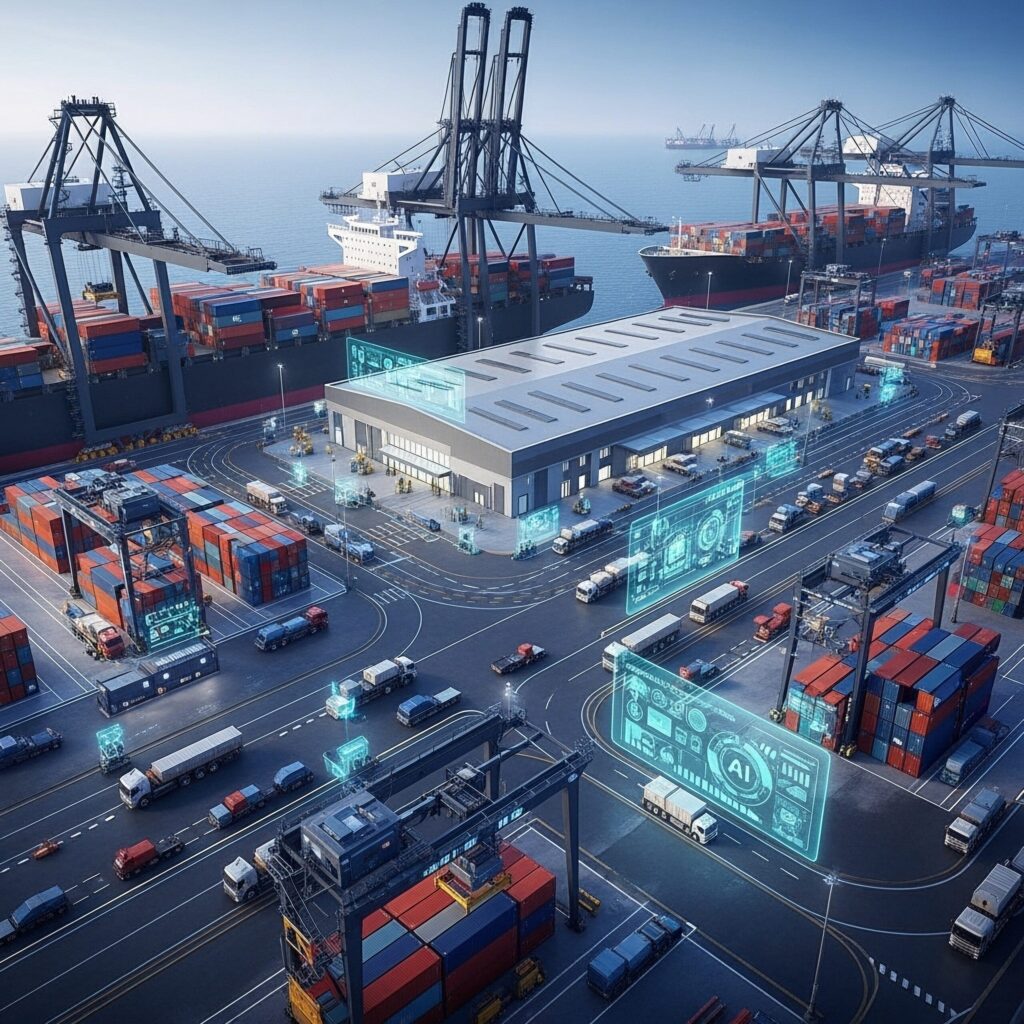
TLX Cargo recognises that digital transformation in logistics is essential for delivering reliable, compliant, and transparent supply chain solutions. By combining technology with operational expertise, TLX Cargo supports customers across a wide range of industries.
TLX Cargo’s approach focuses on:
Rather than adopting technology for its own sake, TLX Cargo uses digital tools to strengthen service quality and customer confidence.
As global supply chains continue to evolve, digital transformation in logistics will play an increasingly central role. Emerging technologies, greater data integration, and rising expectations for transparency will continue to shape how logistics operates.
Businesses that embrace these changes are better positioned to manage risk, adapt to disruption, and maintain competitive advantage. Those who do not risk falling behind in an increasingly complex and regulated environment.

Digital transformation in logistics is no longer optional—it is a fundamental part of modern supply chain management. By improving visibility, efficiency, and compliance, digital tools help businesses navigate the challenges of global trade with greater confidence.
For organisations across industries, and especially for pharmaceutical companies. The right logistics partner makes all the difference. TLX Cargo’s commitment to digital transformation supports reliable, compliant, and future-ready logistics solutions.
To learn more about how TLX Cargo supports digitally enabled logistics, contact TLX Cargo today.