Pharma logistics is undergoing one of the most significant shifts in decades as companies look for scalable, measurable ways to reduce carbon emissions across global supply chains. With Scope 3 emissions now representing more than 70% of the total environmental impact of pharmaceutical distribution, logistics teams are adopting new strategies that tackle the problem from multiple angles. Two areas are emerging as the most impactful: modal shift from air to sea freight and the adoption of reusable PCM thermal covers that reduce waste, emissions, and cost.
The combination of these two strategies delivers exponential sustainability gains. Air freight is one of the largest contributors to pharma’s carbon footprint, with emissions more than 40–50 times higher per kilogram compared to ocean freight. Meanwhile, reusable thermal packaging significantly reduces waste and removes the need for energy-intensive single-use insulation materials. When paired together, these changes form a powerful blueprint for decarbonising the pharma cold chain—without sacrificing product stability, quality, or regulatory compliance.
Traditionally, pharmaceutical shipments have relied heavily on air freight due to strict temperature requirements and the need for speed. But as biologics, vaccines, and temperature-sensitive medicines scale globally, air freight has become financially and environmentally unsustainable. Companies are now committing to aggressive decarbonisation targets aligned with the Paris Agreement, and air freight’s carbon intensity makes it impossible to meet these goals through efficiency improvements alone.
Ocean freight, while slower, offers up to a 95% reduction in carbon emissions per shipment. As cold-chain technology improves—including better insulation, higher stability PCM materials, and reliable passive temperature control—pharma companies now have viable alternatives that maintain product integrity over long transit periods.
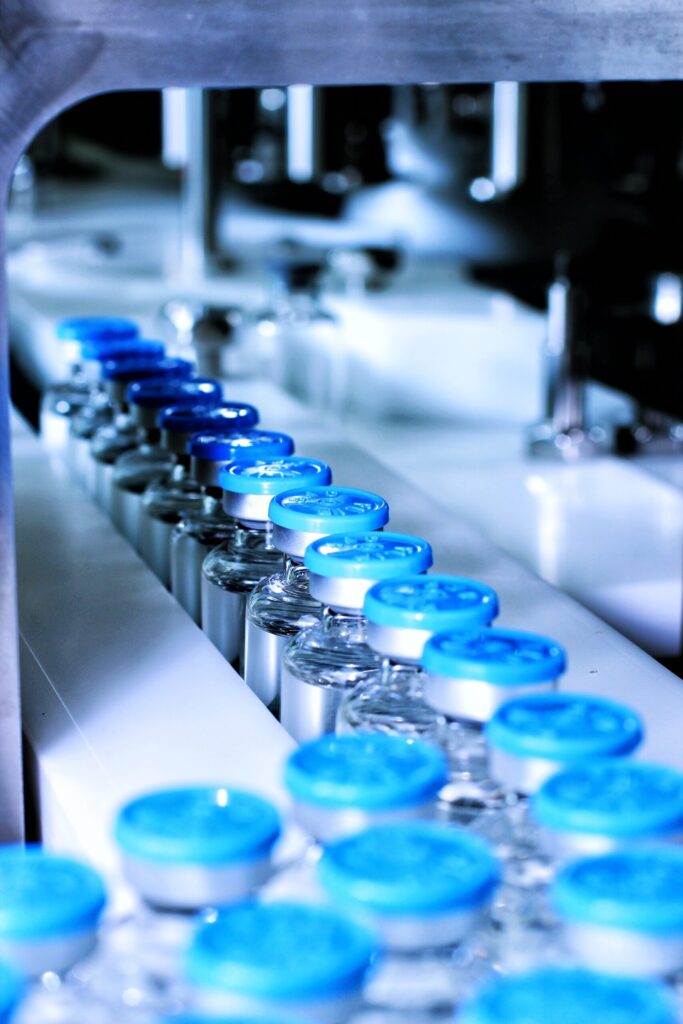
Ocean freight also reduces cost volatility. With global air freight rates frequently spiking due to capacity constraints, fuel prices, and geopolitical disruptions, shifting even 20–30% of a company’s lanes to sea can create substantial budget stability.
As a result, many pharma manufacturers are redesigning their supply networks around ocean lanes, using air freight only for emergency replenishment or ultra-short-stability products.
While the environmental benefits of ocean freight are clear, the practical challenge is maintaining strict temperature compliance over journeys that last several weeks instead of days. This is where reusable PCM-based thermal pallet covers—such as Polarap from TLX Cargo—play a critical enabling role.
Traditional thermal blankets for pallets often rely on bulky insulation, gel packs, or materials that degrade quickly in long-duration transit. They are also typically single-use, creating waste and adding significant emissions in production and disposal. In contrast, reusable PCM covers deliver consistent and reliable thermal performance for extended periods.
Polarap’s design uses thin, high-efficiency PCM fibres that maintain thermal stability without relying on heavy materials. This creates several sustainability advantages:
The ability to maintain stable temperatures over multi-week sea freight journeys is one of the key reasons manufacturers are now accelerating their shift from air to ocean. The more stable the packaging system, the more lanes can be converted, and the bigger the carbon savings.
Learn more about Polarap’s thermal performance at:
https://tlxcargo.com/products/tlx-polarap-pcm-protection/
Scope 3 emissions account for the full end-to-end environmental footprint of freight transport, packaging materials, and vendor operations. Reusable covers directly reduce Scope 3 emissions in several ways.
Every time a reusable cover replaces a single-use blanket, the carbon footprint of manufacturing, transporting, and disposing of packaging materials is reduced.
Reusable PCM covers are lighter than many disposable equivalents and maintain strong thermal performance without the bulk of foam or reflective multiple-layers. This weight reduction reduces fuel burn across air and ocean lanes.
Reusable thermal covers allow companies to track the number of cycles, allocate carbon savings per shipment, and calculate the precise reduction in packaging waste—supporting more accurate ESG reporting.
Reusable packaging is also aligned with regulatory trends. Many regions are introducing guidelines that encourage or mandate reductions in single-use plastics, single-use insulation, and landfill-heavy materials. Using reusable thermal covers places pharma companies ahead of these regulations instead of scrambling to catch up.
The true emissions benefit comes when companies combine modal shift with reusable packaging.
When integrated, these improvements can make a single shipment more than 95% cleaner than the equivalent air-freight shipment using single-use insulation.
The synergy is powerful: modal shift provides the biggest reduction in transport-based CO₂, while reusable PCM technology ensures temperature integrity over the long journey and reduces packaging emissions simultaneously.
Pharma companies sometimes assume sustainability comes with operational compromise—but in this case, the opposite is true. Shifting to sea freight and reusable PCM covers produces measurable performance improvements:
When operational efficiency and sustainability align, adoption increases rapidly.
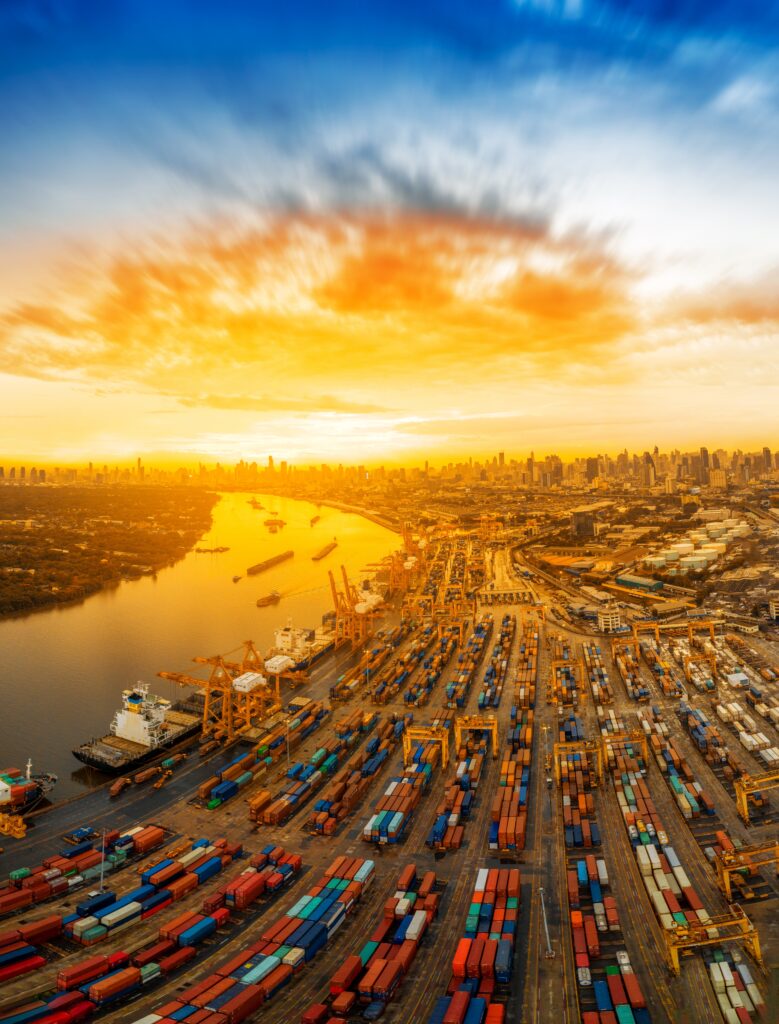
The pharmaceutical cold chain is entering a new era—one where sustainability, efficiency, and compliance operate hand in hand. Modal shift and reusable thermal packaging will form the backbone of the next generation of pharma distribution networks.
Pharma companies that begin this transition now will benefit not only from lower emissions but also from:

Reusable PCM covers like Polarap are not merely an insulation choice—they are a strategic tool enabling a cleaner, more efficient, and more compliant global pharma logistics ecosystem.
Learn more about TLX Cargo solutions at:
https://tlxcargo.com/