Sustainability has become one of the defining themes in cold chain packaging.
Across the industry, companies are exploring reusable systems, fibre-based insulation materials, and ways to reduce waste without compromising temperature control. On paper, these innovations represent clear progress.
But in practice, one part of the supply chain continues to expose the limitations of current approaches: the last mile.
It is here, in the most variable and least controllable stage of delivery, that many sustainable packaging systems are being tested, and often found wanting.
Cold chain logistics has evolved significantly in recent years. Demand for temperature-sensitive pharmaceuticals, biologics, and direct-to-patient deliveries has transformed the structure of the supply chain.
Shipments are becoming more frequent, more fragmented, and more time-sensitive. At the same time, the expectations placed on delivery performance have increased.
This complexity is most visible in the final stage of delivery.
The last mile introduces variables that are difficult to predict or control: delays, handling inconsistencies, temperature fluctuations, and limited infrastructure. Even short disruptions can expose shipments to conditions outside their required range.
A key issue lies in how packaging is designed and validated.
Most packaging systems are tested under controlled conditions, where transit times, temperatures, and handling processes are predictable. Under these scenarios, performance can be measured and verified with confidence.
However, real-world conditions rarely match these assumptions.
In the last mile, shipments may be held at depots, exposed to higher ambient temperatures, or handled multiple times before reaching their destination. These variables create stress points that packaging systems are not always designed to absorb.
This gap between design assumptions and operational reality is where failures begin to emerge.
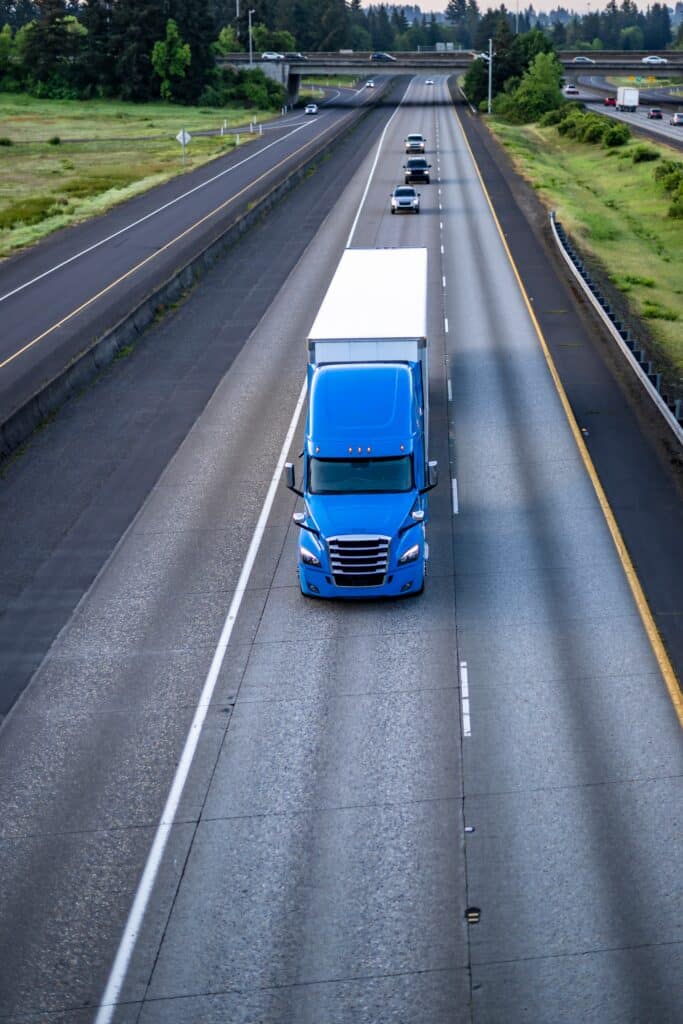
The shift toward sustainability has accelerated the adoption of reusable and low-waste packaging systems.
Reusable cold chain packaging, in particular, is gaining traction as companies look to reduce environmental impact and improve long-term cost efficiency.
These systems bring clear advantages, but they also introduce new dependencies. Reverse logistics, consistent handling, and operational discipline become critical to maintaining performance.
When these supporting systems are not fully in place, the reliability of the packaging itself can be affected.
This is where the conversation around sustainability needs to broaden.
One of the most important developments in cold chain logistics is the move toward real-time visibility.
Tracking technologies, sensors, and monitoring platforms are increasingly being integrated into shipments, allowing temperature and location data to be captured throughout transit.
This shift changes how performance is managed.
Instead of identifying issues after delivery, companies can now monitor conditions as they happen, enabling earlier intervention and better risk management.
It also reframes the role of packaging.
Rather than acting as a standalone protective layer, packaging becomes part of a wider system that includes data, tracking, and decision-making capabilities.
For solutions developed within TLX Cargo, this systems approach is central to improving reliability across real-world conditions.
As cold chain operations scale, there is a natural move toward standardisation. Standard packaging formats simplify processes, reduce costs, and improve consistency across shipments.
However, the last mile challenges this model.
Different routes, shipment sizes, and environmental conditions require different levels of protection. A standardised solution may not always provide the right balance between performance and efficiency.
In some cases, it can lead to over-engineered packaging that increases cost and material usage. In others, it can leave shipments under-protected.
This is why more companies are moving toward flexible, modular packaging approaches, allowing systems to be adapted based on real shipment requirements.
Perhaps the most significant shift in the industry is a conceptual one.
Cold chain performance is no longer defined by packaging alone. It is shaped by how packaging interacts with every part of the supply chain, from route planning to data visibility and operational processes.

Recent industry trends highlight how packaging design, monitoring, and system integration are becoming increasingly interconnected.
Sustainability fits within this broader model.
Reducing waste, improving efficiency, and maintaining product integrity are all part of the same objective: creating systems that work in practice, not just in theory.

If sustainable cold chain packaging is to succeed, it must be designed with variability in mind.
This means accounting for longer dwell times, fluctuating ambient temperatures, and inconsistent handling scenarios. It also requires validation processes that reflect real-world conditions rather than idealised test environments.
In practical terms, this pushes the industry toward more adaptive designs, better data integration, and closer alignment between packaging and logistics operations.
The focus on sustainability is not misplaced. It is necessary and long overdue.
But achieving meaningful progress requires a shift in perspective.
Instead of optimising packaging in isolation, the industry must design for the realities of the supply chain—particularly the last mile, where risk is highest.
The future of cold chain logistics will not be defined by a single material innovation or packaging format.
It will be defined by how well systems are built to handle complexity.
Contact TLX Cargo to discuss practical ways to reduce temperature-related risk in your supply chain.