Selecting the right freight option is a strategic decision that affects cost, reliability, compliance, and customer satisfaction. For businesses unfamiliar with logistics, the choice between air and sea freight can be confusing. For logistics professionals and pharmaceutical companies, the decision carries even greater weight due to regulatory and operational considerations.
This guide explores the best freight options for businesses, focusing on how to choose between air and sea freight based on practical, real-world factors rather than assumptions.
The “best” freight option is not always the fastest or the cheapest. Instead, it is the solution that aligns most closely with a business’s priorities, risk tolerance, and regulatory requirements.
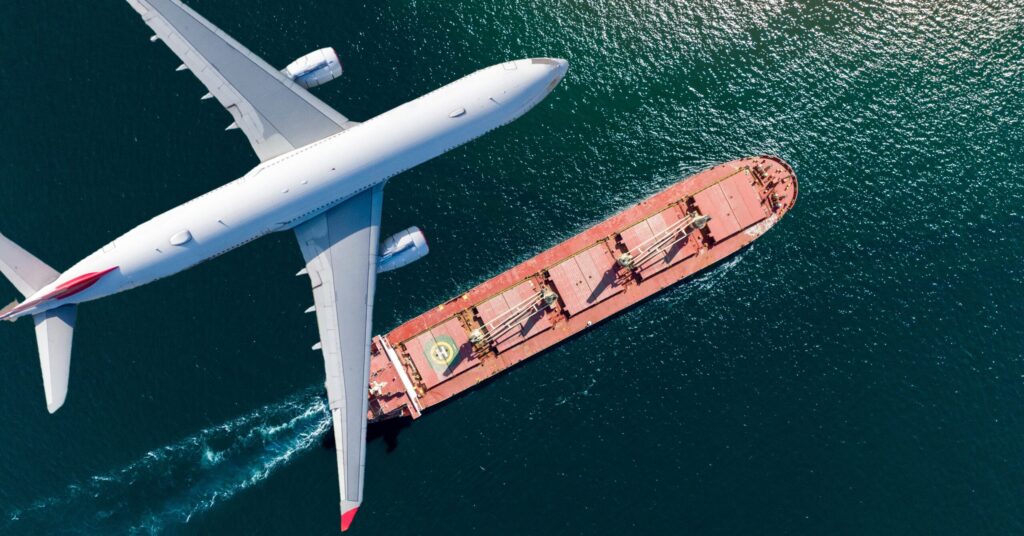
When evaluating the best freight options for businesses, key considerations include:
Understanding these factors helps businesses move beyond one-size-fits-all thinking and make informed logistics decisions.
Air freight is often associated with speed and reliability, making it a popular choice for urgent or high-value shipments.
For pharmaceutical companies, air freight is commonly used for time-critical medicines, clinical trial materials, and high-value products requiring rapid delivery.
Despite its advantages, air freight also has limitations:
These factors mean that air freight is not always the best freight option for businesses shipping large volumes or non-urgent cargo.
Sea freight is the most widely used mode of transport for global trade and is often the preferred option for cost-efficient shipping.
Advances in container technology and monitoring have made sea freight increasingly viable for regulated and sensitive cargo, including pharmaceuticals.
Sea freight also presents challenges:
For businesses that require speed or operate with tight delivery windows, these factors must be carefully assessed.
Choosing between air and sea freight requires balancing multiple priorities. The following factors are central to identifying the best freight options for businesses.
Air freight offers speed at a premium, while sea freight prioritises cost efficiency. Businesses must consider whether faster delivery justifies higher transport costs.
High-value or highly sensitive cargo may benefit from shorter transit times, while stable products can often tolerate longer journeys.
Regulated industries, such as pharmaceuticals, must ensure that their chosen freight option supports compliance with customs and distribution regulations.
Many businesses are under increasing pressure to reduce their environmental impact. Sea freight typically offers a lower carbon footprint per unit compared to air freight.
Each mode carries different risks, from air capacity shortages to port congestion. Understanding these risks is essential to choosing the best freight option.
For pharmaceutical companies, the best freight options for businesses are determined largely by compliance, product stability, and risk management.
Air freight is often preferred for:
Sea freight may be suitable for:
In both cases, careful route selection, monitoring, and documentation are essential to maintaining product integrity and regulatory compliance.
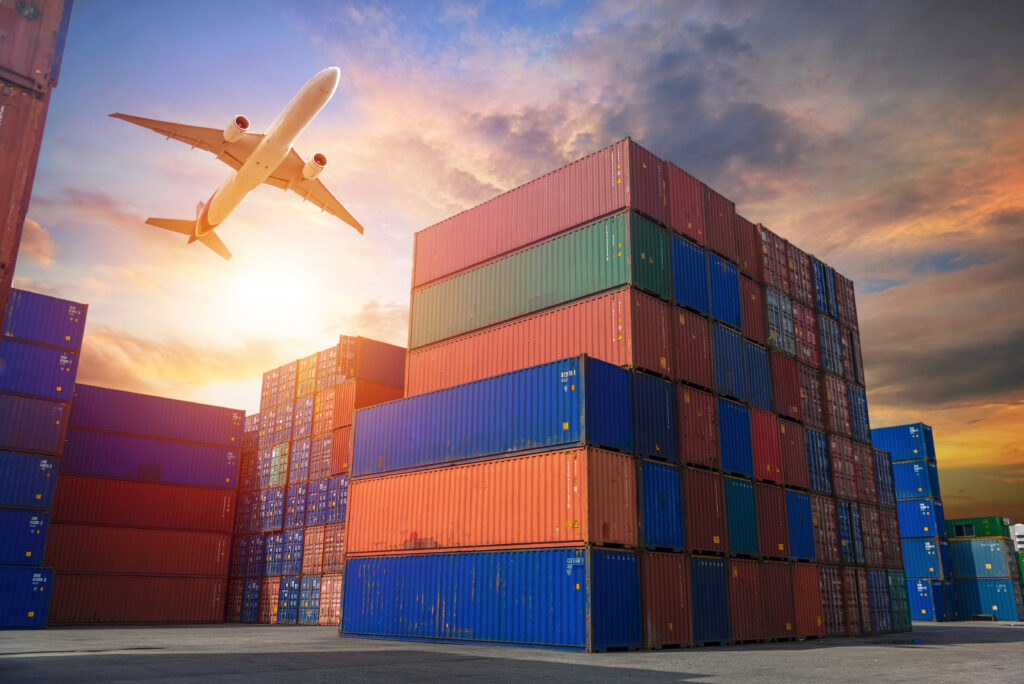
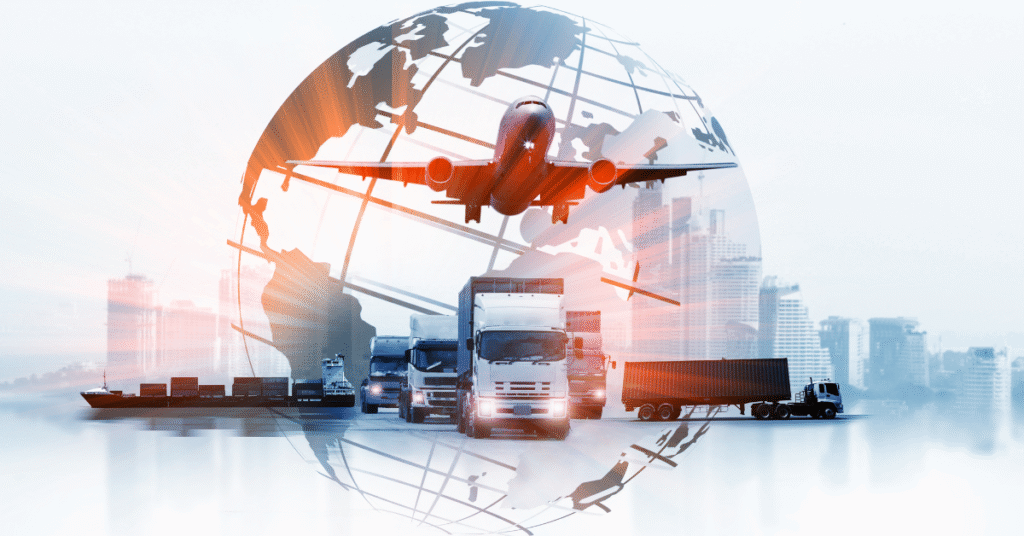
One of the most important lessons for businesses is that there is no universal “best” freight option. The right choice depends on the shipment, the destination, and the broader supply chain strategy.
Many businesses use a combination of air and sea freight, adjusting their approach based on urgency, cost pressures, and market conditions. This flexibility helps manage risk and optimise performance.
TLX Cargo takes an advisory approach to freight planning, helping customers identify the best freight options for businesses based on their specific needs.
TLX Cargo supports customers by:
This consultative approach ensures that freight decisions are aligned with both operational goals and regulatory obligations.
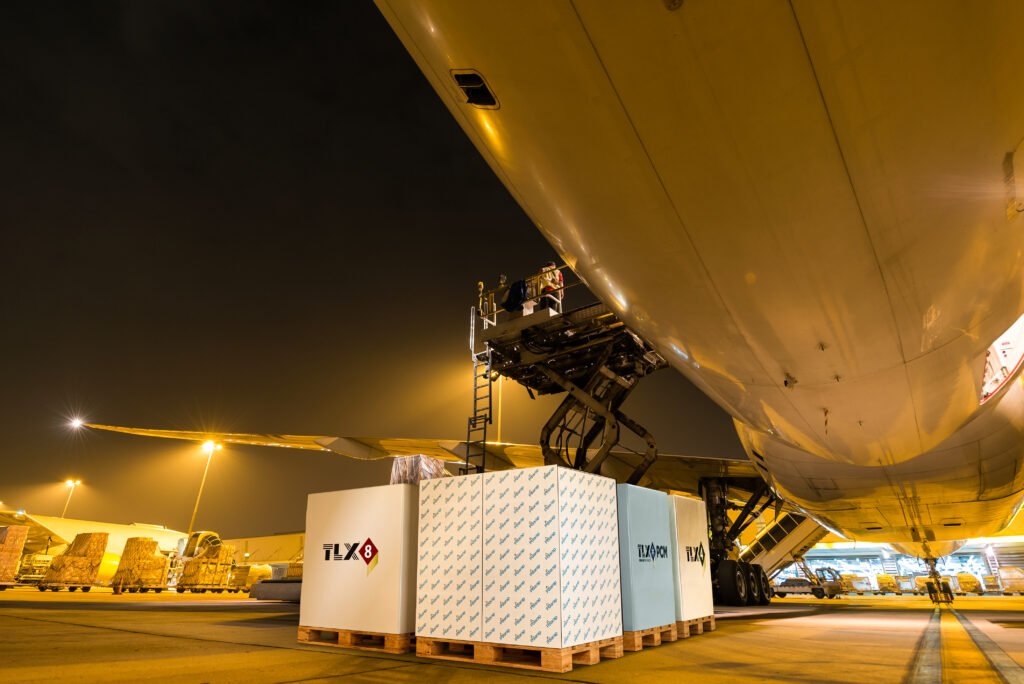
Freight choices influence more than delivery times. They affect inventory management, customer satisfaction, compliance performance, and sustainability outcomes.
By understanding the strengths and limitations of different freight modes, businesses can make informed decisions that support long-term success rather than short-term convenience.
Choosing between air and sea freight is a strategic decision that should be based on clear priorities and informed analysis. The best freight options for businesses balance cost, speed, reliability, and compliance in a way that supports overall supply chain objectives.
With expert guidance and careful planning, businesses can turn freight from a cost centre into a competitive advantage. TLX Cargo’s experience across air and sea freight enables customers to make confident, well-informed decisions.
To explore the best freight options for your business, contact TLX Cargo today.