In global logistics, some of the most critical risks occur during the shortest stages of a shipment’s journey. One of the most overlooked of these is tarmac exposure in cargo operations. While cargo may only spend minutes or hours on the tarmac, this brief window can have a significant impact on product integrity, regulatory compliance, and overall supply chain performance.
For industries such as pharmaceuticals, where temperature stability and handling conditions are tightly regulated, understanding and managing tarmac exposure is essential. This article explains what tarmac exposure in cargo operations is, why it matters, and how logistics providers like TLX Cargo help mitigate the associated risks.
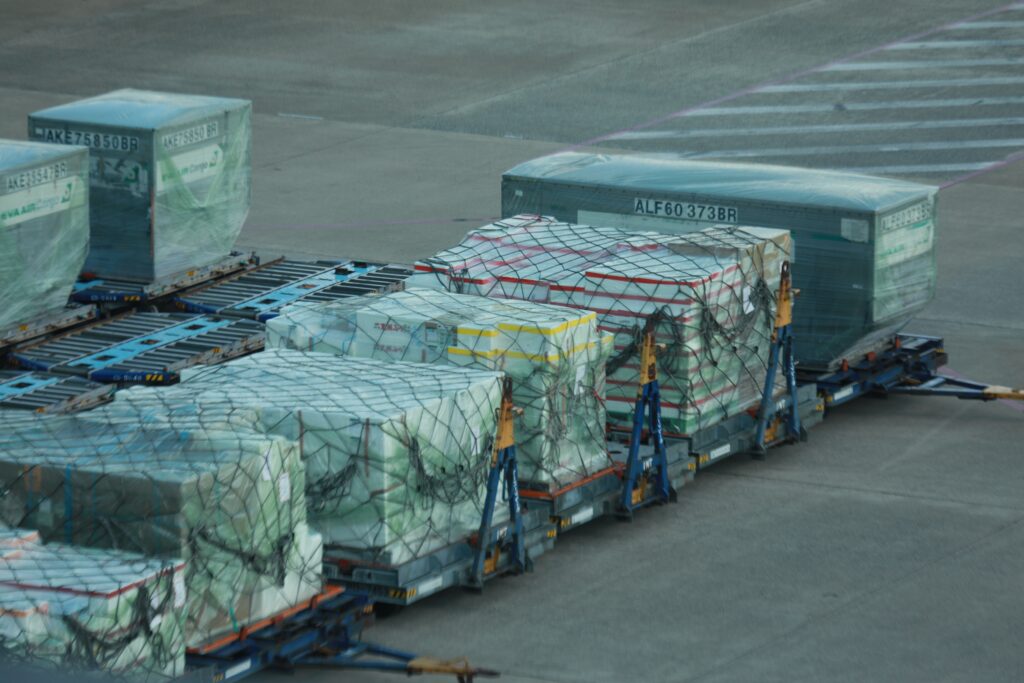
Tarmac exposure in cargo operations refers to the period when cargo is positioned outdoors on airport aprons or loading areas during ground handling. This typically occurs during:
During this time, cargo is exposed to environmental conditions that are outside controlled warehouse or aircraft environments. While this exposure may seem brief, it can be one of the most vulnerable phases of the logistics chain.
Unlike controlled storage facilities, tarmacs are subject to fluctuating temperatures, direct sunlight, weather changes, and operational delays. These factors make tarmac exposure a critical consideration for any shipment that is sensitive, regulated, or high-value.

The risks associated with tarmac exposure in cargo operations are often underestimated, particularly by businesses unfamiliar with freight logistics. However, this stage can introduce multiple challenges that affect shipment quality and compliance.
Most pallet covers rely on bulky foam or multi-layer materials that take a long time to cool, requiring conditioning rooms and 12+ hours before they can be used. TLX Polarap uses a thin PCM composite layer that reaches stability dramatically faster.
For pharmaceutical companies, tarmac exposure in cargo operations presents a heightened risk. Many pharmaceutical products must remain within strict temperature ranges to maintain efficacy and safety. Regulatory frameworks such as Good Distribution Practice (GDP) require companies to demonstrate control over storage and transport conditions at all times.
Uncontrolled tarmac exposure can lead to:
Because of this, pharmaceutical supply chains place particular emphasis on risk mitigation strategies
International regulators and industry bodies recognise tarmac exposure as a critical risk point in air cargo logistics.
Organisations such as the International Air Transport Association (IATA) provide guidance on temperature control, ground handling procedures, and time limitations for cargo exposed to external conditions. For pharmaceutical shipments, GDP guidelines require documented processes to ensure products are protected throughout transport, including during airport handling.
Regulators expect logistics providers to:
Effective management of tarmac exposure in cargo operations is therefore not just operational best practice, but a regulatory necessity.
Leading logistics providers apply multiple strategies to minimise the risks associated with tarmac exposure. These best practices are designed to reduce both the duration and impact of exposure.
Advance planning with airlines, ground handlers, and airport facilities helps minimise waiting times and ensures cargo moves efficiently through each stage.
Using protective coverings and insulated solutions helps shield cargo from temperature extremes and environmental conditions during short exposure periods.
Careful scheduling, prioritised handling, and route optimisation are key to reducing the amount of time cargo spends outdoors.
Where possible, condition monitoring and detailed handling records support compliance and provide visibility into how shipments are managed.
X Cargo applies a proactive, risk-based approach to managing tarmac exposure in cargo operations. By understanding where exposure risks occur, TLX Cargo works to minimise vulnerabilities across the entire logistics process.
This includes:
For pharmaceutical and regulated shipments, TLX Cargo’s experience helps ensure that exposure risks are identified early and managed in line with industry expectations. This approach supports both product integrity and regulatory compliance.
Even for companies outside the pharmaceutical sector, tarmac exposure in cargo operations can have financial and operational consequences. Product damage, delays, and non-compliance can disrupt supply chains and increase costs.
Understanding this often-overlooked stage of transport allows businesses to make more informed decisions when selecting logistics partners and shipping methods. It also highlights the importance of working with providers who prioritise risk management, not just transit speed.
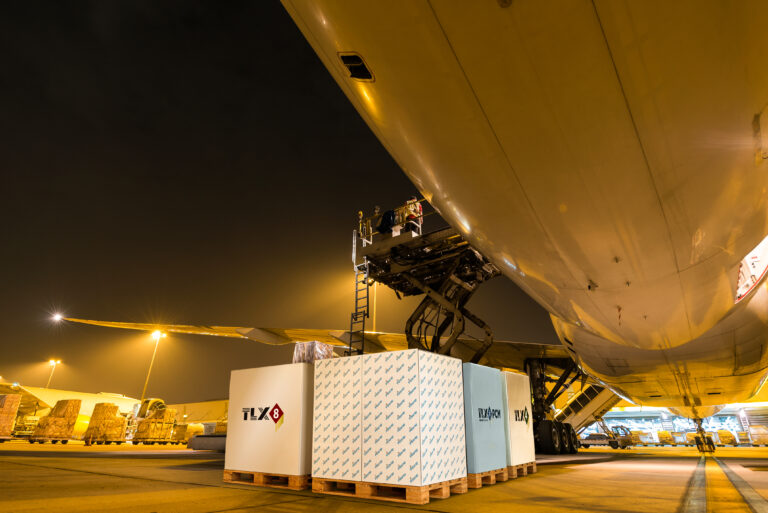
Tarmac exposure in cargo operations is a small part of the journey that carries outsized risk. From temperature fluctuations to regulatory compliance, this brief phase can determine whether a shipment arrives in perfect condition or becomes a costly problem.
By applying industry best practices, adhering to regulatory expectations, and working with experienced logistics partners, businesses can significantly reduce these risks. TLX Cargo’s focus on planning, coordination, and protection helps ensure that cargo remains secure and compliant, even during the most vulnerable stages of transport.
To learn more about how TLX Cargo manages tarmac exposure and supports reliable global shipments, contact TLX C