The use of thermal pallet covers to maintain temperature control is critical when transporting pharmaceuticals. Many pharmaceutical products, including vaccines, biologics, and specialty drugs, are highly sensitive to temperature excursions. If exposed to temperatures outside the recommended range, drug products can become less effective or even spoiled.
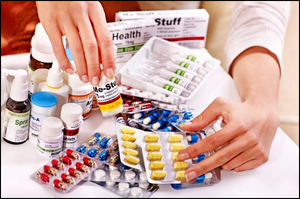
Maintaining proper temperature conditions from production to the point of administration is essential for drug stability, efficacy, and patient safety. However, pharmaceutical shipments often encounter temperature variability during transport and storage. Seasonal and regional temperature differences, inconsistencies between warehouses, and improper handling practices can all impact product temperature.
Thermal pallet covers offer an efficient solution for managing temperature during pharmaceutical transportation. Designed for passive temperature control, these covers encapsulate and insulate pallets to maintain a consistent temperature environment.
Temperature Sensitivity of Pharmaceuticals
Many pharmaceutical products are sensitive to temperature fluctuations during storage and transportation. Deviations from the recommended temperature range can affect drug potency, efficacy, and safety.
Most pharmaceuticals require storage between 15-25°C to maintain drug stability. However, some products have more stringent requirements, such as 2-8°C for vaccines and other biologics. Excursions outside the specified range, even brief ones, can negatively impact product quality.
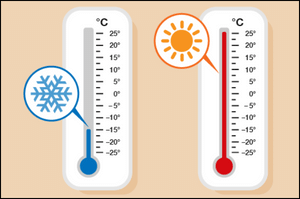
Temperature fluctuations can lead to degradation of active pharmaceutical ingredients. High temperatures increase the rate of chemical reactions and molecular motion, potentially altering a drug’s chemical structure. This can reduce potency so that the medication is less effective at the target therapeutic dose.
Prolonged exposure to excess heat can also affect the drug’s safety profile. Degradation by-products and instability at higher temperatures may produce toxic effects or unintended immune responses in patients.
Freezing temperatures are problematic as well. Freezing can cause excipients or the active drug to precipitate out of solution, leading to loss of homogeneity. It may also result in damage to protein structures in biologics.
Maintaining the optimal temperature range from manufacturing to point of use is critical for drug stability and patient safety. Temperature excursions at any point in the supply chain could lead to delivery of compromised pharmaceutical products. Proper cold chain management and temperature control is essential.
Benefits of Thermal Pallet Covers
Thermal pallet covers provide several key benefits for temperature-sensitive pharmaceutical supply chains:
Maintain temperature control during transport and storage
The insulating material in thermal pallet covers create a protective barrier that maintains a consistent temperature inside the pallet load. Therefore, preventing heat transfer and deviation from the required temperature range during transportation. Thermal pallet covers can maintain safe temperatures for over 48 hours in many cases.
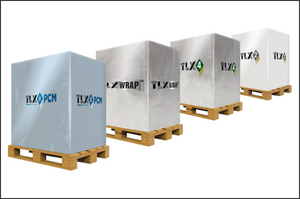
Reusable and cost-effective compared to single-use packaging
Unlike expanded polystyrene coolers or other single-use thermal packaging, thermal pallet covers can be reused over and over. This makes them a cost-effective solution compared to repeatedly purchasing disposable thermal packaging. Their durability provide excellent value over the long term.
Customisable insulation levels
Thermal pallet covers allow customisation of insulation levels by using covers with different thicknesses or combining multiple layers. This flexibility helps dial in the ideal insulation properties required for a specific pharmaceutical product’s ideal temperature range. Thicker covers with higher insulation values are available when extra protection is needed.
Specifications of Thermal Pallet Covers
Thermal pallet covers are designed with specific materials and features to maintain strict temperature control for pharmaceutical products.
Materials
| Reflective plastic outer layer. | The external reflective plastic layer reflects solar radiation to prevent heat absorption. This reflective barrier helps maintain cool temperatures inside the cover. |
| Insulating foam middle layer. | The insulating foam layer in between the outer plastic layers prevents heat transfer. The thick foam provides excellent thermal insulation to maintain internal temperatures. |
| Inner plastic layer. | The inner layer is a smooth plastic that protects the insulating foam and sealed contents. This inner liner ensures no contamination or debris enters the insulating layer. |
Temperature Ranges
| Thermal pallet covers are typically rated for temperature ranges between -30°C to +30°C. Some covers may have minimum temperatures as low as -40°C for freezing cold chain applications. |
| Pharmaceutical pallet covers engineered for 2°C to 8°C applications keep contents within strict regulations for drug storage. Covers can maintain these cool temperatures for over 120 hours consistently. |
| For shipments to hot climates, some covers provide cooling for up to 3 days at temperatures between +15°C to +25°C ambient conditions. |
Implementing Thermal Pallet Covers
Implementing thermal pallet covers requires careful planning and execution to ensure proper temperature control. Here are some key steps:
Training Staff on Proper Use
| Train warehouse staff, drivers, and other handlers on the proper use of thermal pallet covers. Provide clear instructions on when and how to use the covers. |
| Emphasize careful placement and tight sealing to prevent air gaps that compromise insulation performance. Ensure edges and corners are properly tucked and secured. |
| Educate on best practices for storage, maintenance and inspection of covers to maximize reuse cycles. |
Monitoring and Validating Temperature Control
| Use temperature data loggers under the thermal covers to monitor payload temperature throughout transit. |
| Perform regular spot checks at key points to validate that the payload remains within the required temperature range. |
| If temperature excursions occur, review the entire cold chain process to identify potential gaps or missteps (preconditioning, loading, sealing, etc). |
| Maintain thorough documentation of monitoring and temperature records to ensure compliance and quality control. |
| Adjust insulation ratings or handling processes as needed to maintain rigorous temperature control. |
Advantages over Refrigerated Transport
Refrigerated shipping containers and vehicles are expensive to purchase, maintain, and operate. They require dedicated equipment and facilities. Thermal pallet covers, on the other hand, are lightweight, reusable, and can be used with normal shipping methods.

Furthermore, refrigerated transport also continuously runs the refrigeration system, consuming substantial energy. Thermal covers only require energy when changing phase from gel to liquid or liquid to gel to absorb or release heat. This provides major cost savings.
The cooling effect of thermal pallet covers can be precisely controlled to maintain a steady temperature for many hours or days. Refrigerated transport relies on cycling a refrigeration compressor which can lead to temperature spikes.
As reusable passive cooling devices, thermal pallet covers generate no emissions and require no power source during transit. Refrigerated transport produces greenhouse gas emissions and noise pollution from the refrigeration units.
Why Choose Thermal Pallet Covers?
Thermal pallet covers provide a simple yet effective solution for maintaining proper temperature control during pharmaceutical transport. The key benefits they offer include:
Passive Temperature Control
Thermal pallet covers provide consistent, stable temperature control without the need for electricity or external power sources. The phase change materials inside pallet covers regulate temperatures for many hours.
Lightweight and Reusable
In addition, the covers can be folded or rolled when not in use for easy storage and reused many times. Made from durable materials like polyethylene foam insulation and aluminium foil, thermal pallet covers are lightweight and portable.
Multiple Uses
Pallet covers can insulate pharmaceuticals during air freight transport, ground transport by refrigerated truck, and even short-term warehouse storage before final delivery. One product offers versatile temperature control.
Compliance with Regulations
Thermal pallet covers help shippers comply with strict regulations for pharmaceutical transport when procedures are properly followed. They provide means to document and validate shipping conditions.
Cost-Effective

Thermal pallet covers offer an affordable temperature control solution compared to expensive active container systems. They lower costs associated with pharmaceutical damage and waste.
In summary, thermal pallet covers serve as a cost-efficient and reliable temperature control solution for pharmaceutical supply chains. Furthermore, their passive yet high-performance insulation capabilities make them an essential product for any company shipping temperature-sensitive pharmaceuticals. With robust insulation and versatility across transport modes, thermal pallet covers provide the stable environment pharmaceuticals need.
Interested to Find out More?
Why not get in touch with TLX Cargo for a quotation. We would love to hear from you. Our helpful team are on hand to help, simply call 01204 695666 or email us at sales@tlxinsulation.co.uk.