Thermal pallet blankets are insulation covers designed to regulate temperatures of products being stored or transported on pallets. They help maintain optimized temperatures throughout the supply chain. Thermal blankets insulate palletised goods from temperature fluctuations that can occur during shipping, storage, and handling. This allows goods to stay within the ideal temperature range for that product. For example, frozen foods need to remain frozen, while produce needs to stay cool without freezing.
Using thermal pallet blankets can lead to significant cost savings and efficiency improvements in several ways. The blankets form a protective barrier that retains cold or heat. This reduces loss from temperature spoilage and damage during transport and storage. Thermal blankets also decrease the energy used by refrigeration systems working to maintain the necessary temperatures. Additionally, the blankets protect workers from temperature extremes when handling palletised goods. Overall, thermal pallet blankets promote sustainability through less product waste, energy use, and labour issues.
Reducing Energy Costs
Thermal pallet blankets can provide significant energy cost savings for businesses that handle temperature-sensitive goods. By reducing heat transfer and insulating pallets, less energy is required for refrigeration or heating.

Pallet blankets create an insulating barrier between pallets and the surrounding environment. This reduces cooling loss for refrigerated items and protects against freezing for products that need to stay above freezing.
For goods that require heating, such as food trays or chemical containers, thermal pallet covers retain warmth much more effectively than unprotected pallets. Less energy is wasted reheating products after they’ve cooled down during storage and transport.
In summary, thermal pallet covers provide energy savings by:
| Reducing cooling loss for refrigerated goods. |
| Retaining heat for products requiring elevated temperatures. |
| Allowing adjustments of warehouse temperatures. |
| Enabling businesses to use less intensive heating methods. |
Lower Labour Costs
Using thermal pallet blankets can significantly reduce the labour required for temperature checks and adjustments. With thermal blankets, the temperature is maintained at the proper level for much longer without adjustment. Goods stay within the target temperature range due to the insulating properties of the blankets. This means workers don’t have to open cold storage as often or make as many adjustments to cooling systems.
For example, a pallet of produce being shipped cross-country would normally require multiple manual temperature checks and changes by workers throughout the journey. But with a thermal pallet blanket, the temperature could remain steady for the entire trip without any labour needed for monitoring and adjustment.
Thermal pallet blankets also remove the need to add labour for special handling of goods sensitive to temperature changes. Delicate pharmaceuticals or chemicals often require extra workers to continually verify stable temperatures. Blankets reduce the labour requirements for this temperature-sensitive handling.
Decreasing Product Loss
Perishable goods like food, pharmaceuticals, and chemicals often require specific temperature ranges during storage and transport to prevent spoilage. Thermal pallet blankets create a consistent, controlled environment that protects temperature-sensitive goods. The insulating materials in the blankets act as a barrier against external temperature swings. This helps maintain the necessary internal conditions to prevent product deterioration.
By stabilising and regulating temperatures throughout shipping and storage, thermal pallet blankets significantly decrease product loss and deliver major cost savings. The improved preservation enables companies to get the most value out of their inventory investments.
Improving Temperature Control
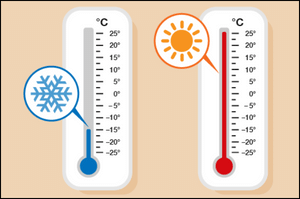
Thermal pallet blankets allow for much improved temperature control and stability during storage and transportation compared to unprotected goods. The insulated blankets act as a barrier that prevents unwanted heat exchange between products and the surrounding environment.
This is particularly beneficial for goods that need to be kept within a certain temperature range like pharmaceuticals, chemicals, and food products. Thermal pallet blankets help maintain a consistent temperature for these temperature-sensitive items. For example, refrigerated and frozen foods often experience large temperature fluctuations during shipping that lead to spoilage. Wrapping pallets in insulating blankets ensures frozen foods stay frozen and refrigerated foods stay cool.
Increasing Sustainability
The use of thermal pallet blankets can significantly increase sustainability in warehouse and industrial environments. By reducing energy consumption, thermal blankets help lower carbon emissions associated with electricity generation. Studies show that thermal blankets can decrease a facility’s carbon footprint by 20-30% through energy savings alone.
Thermal blankets also reduce product spoilage and waste. Unprotected pallets allow cold air infiltration that can lead to damage, spoiling up to 20% of perishable goods. With thermal blankets, spoilage is minimised. Less waste means lower disposal costs and less environmental impact from landfill contributions.
Types of Thermal Pallet Blankets
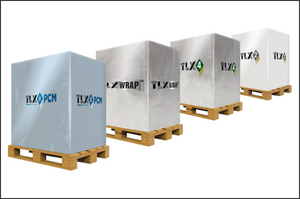
Thermal pallet blankets come in different materials and designs to meet various temperature control needs. The main types include:
Reflective Blankets
Reflective blankets are made of materials like aluminium foil or metallised polyester films. They work by reflecting radiant heat back towards its source.
Pros:
| Highly effective for blocking radiant heat gain or loss. |
| Lightweight and low profile. |
| Relatively inexpensive. |
Cons:
| Less effective for conductive heat transfer. |
| It can tear easily. |
| May not stand up to heavy use. |
Insulating Blankets
Insulating blankets are made of materials like fiberglass, polyurethane foam, or wool. They work by trapping air to resist conductive heat flow.
Pros:
| Excellent insulation against conductive heat transfer. |
| Stands up well to heavy use. |
| Variety of thicknesses for different levels of insulation. |
Cons:
| Bulkier and heavier than reflective blankets. |
| Higher cost than reflective blankets. |
Phase Change Blankets
Phase change blankets contain materials like paraffin wax or fatty acids that can absorb and release large amounts of heat as they melt and freeze at specific temperatures.
Pros:
| Maintains very consistent temperatures. |
| High heat capacity. |
| Can both heat and cool. |
Cons:
| More complex technology. |
| Relatively high cost. |
| Limited temperature range. |
By understanding the strengths and limitations of each type of thermal pallet blanket, companies can determine the optimal solutions for their specific temperature control needs.
Interested to Find Out More?

Thermal pallet blankets provide numerous benefits that can lead to significant cost savings and efficiency improvements for businesses across many industries. Through improving temperature control and insulation, thermal pallet blankets can help reduce energy costs associated with heating and refrigeration. They also lower costs associated with product loss from temperature fluctuations or damage.
To learn more about how thermal pallet blankets can benefit your operations, simply call 01204 695666 or email us at sales@tlxinsulation.co.uk.