Thermal pallet covers are protective layers designed to regulate temperature and insulate palletised goods during storage and transportation. They serve an important role in supply chain operations by maintaining product integrity and preventing damage from temperature fluctuations or extreme weather. Thermal covers offer a range of benefits that make them a vital tool for many industries dealing with temperature-sensitive cargo.
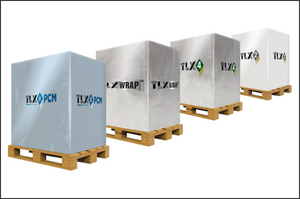
The key purpose of thermal pallet covers is temperature control. They act as a barrier between goods and ambient conditions, trapping cool or warm air around the load. This allows shippers to maintain a consistent, optimal temperature range for products regardless of external variables. For chilled or frozen items, the covers prevent thawing and deterioration that could render items unusable. For heat-sensitive goods, they stop overheating that could alter product composition.
Beyond temperature regulation, thermal pallet covers offer additional advantages:
| They protect goods from moisture, dust, and other contaminants. |
| Reduce product loss/waste from temperature damage. |
| Save money compared to refrigerated transport. |
| Enable safer transportation of hazardous or volatile materials. |
| Are reusable and recyclable for sustainability benefits. |
With the right thermal cover solution, companies can improve supply chain efficiency, product integrity, and bottom-line results. This overview covers their key features and outlines why thermal covers play an indispensable role for many modern industries.
Temperature Control
Thermal pallet covers are designed to maintain a consistent temperature for goods in transit. The covers act as insulation, restricting heat transfer between the load and the surrounding environment. Therefore, this allows temperature-sensitive products like food, pharmaceuticals, and chemicals to remain within their required temperature range during transportation and storage.
Thermal covers work by trapping air, which is a poor conductor of heat. The trapped air creates a buffer zone that slows the transfer of thermal energy. But, the thickness of the insulating materials also affects their effectiveness at maintaining temperature. Thicker covers provide more insulation and restrict heat flow.
Properly insulated with a thermal cover, temperature-sensitive goods are protected from temperature fluctuations that can damage product quality or pose safety risks. Perishable foods and produce are kept from spoiling, vaccines and pharmaceuticals remain potent, and industrial chemicals avoid freezing or decomposition. Thermal covers prevent goods from getting too cold in winter or overheating in summer heat.
Protects Goods
Thermal pallet covers provide protection for products being shipped or stored. Without adequate protection, goods are susceptible to damage from various environmental factors.
Thermal covers act as a shield to protect items from:
| Weather | Exposure to rain, snow, wind, humidity, and temperature extremes can be detrimental. Thermal covers provide insulation against hot and cold conditions. |
| Pests | Rodents, insects, and birds can infiltrate packaging and contaminate or destroy products. Thermal covers prevent access to pests. |
| Dirt & Debris | Blowing dirt, dust, pollution, and other contaminants in the air can accumulate on shipments if unprotected. Covers keep goods clean. |
| UV Rays | Sunlight and UV rays accelerate deterioration in some materials and fade colours over time. Thermal covers block UV radiation. |
| Physical Impact | Without covers, shipped goods have little protection against bumps, scrapes, or crushing during transit and handling. Covers cushion against physical impact. |
Proper thermal protection ensures products arrive intact, preventing damaged, contaminated, or degraded goods. Thermal covers are an effective safeguard to maintain product quality from factory to end user.
Saves Money
Thermal pallet covers save companies money in several ways. First, they reduce product loss from temperature fluctuations or damage during shipping. Perishable items like food, plants, and chemicals must be kept within a certain temperature range to avoid spoiling. Unprotected pallets exposed to extreme heat or cold can render products unusable upon arrival, resulting in wasted inventory and money. Thermal covers regulate inside temperatures to prevent this.
Thermal covers also lower shipping costs by avoiding the need for refrigeration. Refrigerated trucks and containers are far more expensive to operate than unrefrigerated ones. With an effective thermal pallet cover, many products can be shipped at normal temperatures rather than freezing cold. This significantly reduces transportation costs, allowing companies to ship more affordably.
Safer Transportation
Transporting goods via truck, rail, or ship can subject cargo to bumps, vibrations, and shifting during transit. This can cause unsecured goods to fall over or become damaged. However, using thermal pallet covers helps minimize load shifting and secures palletized products during transport.

The tight stretch wrap and sturdy construction of quality thermal covers stabilizes goods and prevents them from toppling or colliding into each other if sudden impacts occur. Thermal covers also reduce friction between pallets, keeping them neatly in place instead of sliding around the trailer. This prevents pallets from colliding and breaking apart.
Properly covering pallets ensures a safer journey for delicate or fragile items. With thermal pallet covers securing the load, there is less risk of products cracking, leaking, or spilling during transit. This protects the integrity of the cargo as well as the safety of those handling the load.
Environmental Benefits
Using thermal pallet covers provides important environmental benefits in addition to operational advantages. By regulating temperature more efficiently, thermal covers can reduce the energy consumption and carbon emissions associated with refrigeration during transport and storage.
Thermal covers allow shippers to rely less on energy-intensive refrigeration systems. This means lower greenhouse gas emissions from refrigerants and reduced fuel consumption from refrigeration units. For companies trying to shrink their carbon footprint across the supply chain, thermal covers are an easy solution to implement.
Many thermal covers are also made from recyclable materials like polyurethane, polyethylene, and other plastics. Responsibly disposing of these materials at end of life keeps them out of landfills and allows them to be reused. Some thermal cover manufacturers even use recycled plastics in their production process.
Industry Use Cases
Transporting temperature-sensitive goods is critical for many industries. Proper thermal pallet covers allow companies to ship their products safely and efficiently.



| Produce | Fruits, vegetables, and other fresh foods must be kept cool to prevent spoilage during transport. Thermal covers help maintain optimum temperatures for produce in transit. This ensures freshness and reduces waste. |
| Pharmaceuticals | Medicines and vaccines often require temperature control. Some pharmaceuticals need freezing while others need slight refrigeration. Thermal covers enable drug makers to ship their temperature-sensitive products without fluctuations. This protects medicine integrity. |
| Chemicals | Some industrial chemicals and materials are temperature-sensitive. They can become unstable or hazardous if they get too hot or cold during transport. Thermal pallet covers modulate temperatures to prevent chemical shifts. This provides safe transportation. |
| Electronics | From laptops to LCD screens, electronics can malfunction if exposed to temperature swings. Thermal covers allow electronics manufacturers to control temperatures during shipping. |
Implementation Tips
When using thermal pallet covers, follow these best practices for optimal results:
| Measure your pallets and ensure you select a cover size that will fully enclose the load. An improperly sized cover that hangs over the edges or leaves gaps will compromise insulation. |
| Allow for some slack so the cover can be securely fastened without being stretched tight. But avoid excessive overlap that creates dead air space reducing insulation. |
| Consider future pallet sizes if your products change. Select a versatile cover size that will accommodate minor size fluctuations. |
Interested to Find Out More?
Thermal pallet covers are an essential tool for many industries to maintain proper temperature control during storage and transportation. As we’ve discussed, thermal covers provide critical protection for temperature-sensitive goods, preventing damage from extreme cold or heat exposure. This protective barrier saves companies substantial amounts of money by reducing spoiled and wasted products.
Why not get in touch with TLX Cargo for a quotation. We would love to hear from you. Our helpful team are on hand to help, simply call 01204 695666 or email us at sales@tlxinsulation.co.uk.