There is a huge range of products that require a cold chain shipping process.
This includes but is not limited to, perishable food and pharmaceuticals. The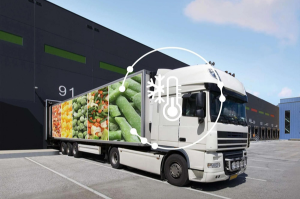 term temperature-controlled transport applies to any shipment that is carried out with special mechanisms and at a certain temperature or temperature range to preserve the goods being shipped.
When we think of temperature-controlled transport, we tend to think of special vehicles with an airtight room to prevent the goods from coming into contact with the outside. In layman’s terms, these are refrigerated lorries. But for many delicate or sensitive temperature-controlled products, simply using a temperature-controlled vehicle isn’t enough. There are other measures that should also be taken to ensure that the products being transported are not subject to temperature
deviations that could lead to them being spoiled or wasted.
Here’s everything you need to know:
What External Factors Can Impact Temperature-Controlled Goods?
Even if you are utilising refrigerated lorries for your transportation needs, it is impossible for your goods to remain constantly refrigerated. During the loading and unloading process, for example, your temperature-controlled goods will be exposed to the external temperature, as well as to inclement weather, external pollutants and other negative elements.
Some shipping companies will offer to provide anything necessary to move your goods, transporting them from A to B without compromising their temperature needs. They may use cooling blocks on pallets when they are not within refrigerated containers, for example. Or other temporary cooling measures. But these cooling techniques are not foolproof, and cannot guarantee that the products will maintain the exact temperatures that they need.
For extra safety and peace of mind, therefore, you are advised to use special packaging and measures before you send your sensitive goods to your chosen shipping company so that you can ensure that the temperature-controlled transport will maintain the temperature of your products.
What Types of Temperature Controlled Shipping Are Available?
When shipping temperature-controlled products, there are a variety of shipping options available. These include:
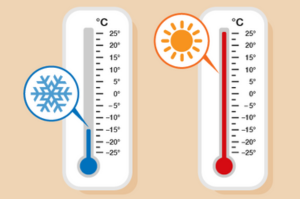
| Cold or refrigerated shipments (2°C to 8°C). | This is a traditional refrigerated lorry and is used for products that need to be kept at low temperatures but do not need to be frozen. Fresh foods and some pharmaceuticals will fall into this category. |
| Frozen shipments (-20°C). | If you need to freeze your products, and these products need to remain frozen at a consistent temperature throughout the shipping process then this is the right type of shipping for you. This is commonly used for frozen foods. |
| Dry ice shipments (-80ºC). | As the name suggests, these products are shipped using dry ice rather than ice as the primary temperature control element. By not using water as a cooling method, humidity doesn’t affect the properties of the goods. This shipping method is not used for foodstuffs but is typically used in the health industry. |
| Shipments in liquid nitrogen (-196°C). | The temperatures involved in this type of shipment are dangerously low, and for this reason, it is the least common type of shipping on this list. This type of shipping is used for dangerous substances that need extreme refrigeration. For this type of shipment, you’ll need a special nitrogen tank. |
Additional Methods You Can Use
No matter which of these temperature-controlled shipment methods you use, to maintain the temperature of your products, it’s essential that they are packaged correctly. For shipments that require temperature control, it’s standard to use thermal insulating packaging, such as the thermal blankets and thermal cargo covers offered by TLX Cargo. 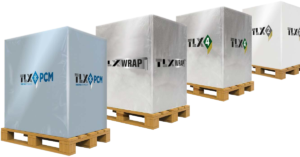
The role of these thermal blankets is to help maintain a consistent temperature for the products and to protect the goods from external temperature fluctuations, as well as from external contaminants. TLX cargo thermal insulation products make use of a highly reflective outer surface to reflect up to 97% of thermal radiation in a bid to keep your products within temperature range for longer. They use advanced technology, are designed to protect products from temperature excursions, theft, rain, snow, frost, and humidity, and are largely waterproof.
Consider thermal cargo blankets to be a backup plan or a literal safety blanket. Their role is to protect your goods throughout the transportation process and ensure that they are not subjected to damage or wastage, even if they spend time outside of the refrigerated shipment container, or this container fails, as part of the transportation process. Thermal cargo covers are lightweight and affordable, meaning that they are easy to install or remove quickly and easily. This ease of use is important because your shipping operatives are unlikely to use a cargo cover that is cumbersome and time-consuming to install.
Why Is Strict Temperature Control Essential?
Whether you’re transporting foodstuffs or pharmaceuticals, temperature control is absolutely essential. Controlling the temperature of food is extremely important in ensuring that food is safe to eat and minimises the risk of harmful levels of bacteria in the food you will sell or eat. Similar rules apply to the transportation of pharmaceuticals. For some pharmaceutical products, if they’re not packed tightly enough, humidity can alter their characteristics. For others, if they reach temperatures above certain levels then this can impact their effectiveness. It can even be dangerous for patients to take medications that have not been stored at the correct temperature. Temperature-controlled transport performs an integral role, therefore, and its value should not be underestimated.
Temperature-controlled transport is a complex topic, covering much more than merely getting goods from one place to another. It is something that requires careful consideration, and those involved in the process should take the time to research and invest in the correct thermal covers for their temperature-controlled products, as well as choosing the right temperature-controlled shipping method. TLX Cargo covers are the best possible option and offer unrivalled supply chain protection for temperature-controlled products.
We would love to hear from you. Our helpful team are on hand to help, simply call 01204 695666 or contact us here.