Thermal Protection for Sea Freight
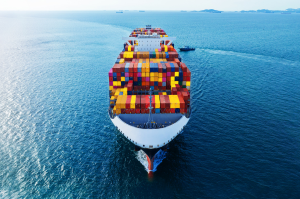
When shipping temperature-sensitive goods, especially over long sea routes, managing temperature excursions during unplugged periods is crucial. Refrigerated containers, also called reefer containers, which travel across diverse climatic zones and often experience extended power-off periods at ports, can face significant challenges in maintaining consistent internal temperatures. Implementing PCM covers for temperature control can be a key strategy in addressing these challenges. This blog explores the causes and consequences of temperature excursions during unplugged refrigerated containers and provides insights into effective strategies and solutions for thermal covers temperature control to mitigate these risks.
The Challenge of Temperature Excursions in Reefer Containers
Refrigerated containers are subject to various environmental conditions as they travel across different regions. These conditions include extreme temperatures, whether intense heat near the equator or freezing conditions near the poles. During unplugged periods, such as during port stops or when power is interrupted, these temperature variations can lead to temperature excursions inside the container. PCM covers for temperature control are crucial in preventing these temperature excursions. Temperature excursions are deviations from the desired temperature range, which can put at risk the quality and safety of temperature-sensitive goods.
Although reefer containers provide stable and automated temperature control, they are not entirely flawless in managing temperature. When a reefer container is “unplugged” and loses this power connection, the cooler engine stops functioning, allowing external temperatures to infiltrate the container and compromise the temperature and quality of the stored products.
These “unplugged” situations often occur at critical points in the logistics chain, such as during the transfer of the reefer container from a truck to the harbour, and then onto a sea vessel, or vice versa. These are common points where reefer containers typically face temperature management challenges.
What are the Causes and Consequences of Temperature Excursions?
1. Causes of Temperature Excursions
- Environmental Temperature Variability: reefer containers are exposed to fluctuating external temperatures, which can drastically affect the internal temperature, especially when the refrigeration unit is turned off.
- Extended Power-Off Periods: During port stops, refrigerated containers may remain unplugged for extended periods. Without the active cooling system, the internal temperature can rise or fall rapidly, leading to potential excursions.
- Poor Insulation: Standard refrigerated containers may lack adequate insulation to buffer against extreme external temperatures. This insufficiency can exacerbate temperature fluctuations inside the container.

2. Consequences of Temperature Excursions
Temperature excursions can have serious implications for goods transported in reefer containers:
- Compromised Product Quality: For perishables like food and pharmaceuticals, deviations from the required temperature range can spoil products, reducing their quality and safety.
- Increased Costs: The spoilage or degradation of goods often leads to financial losses, either through product wastage or the need for re-shipment.
- Regulatory Issues: Certain industries have strict temperature control requirements. Failure to maintain these conditions can result in regulatory non-compliance and potential legal issues.
Effective Solutions for Preventing Temperature Excursions
To mitigate the risk of temperature excursions during unplugged periods, various strategies and technologies can be employed:
1. Utilising Advanced Thermal Covers
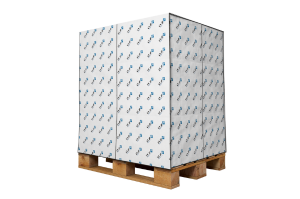
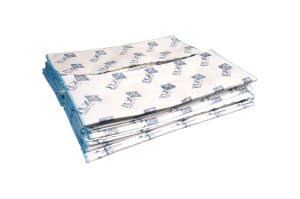
Advanced thermal covers, such as TLX Fibre-Flex PCM for sea freight, provide an effective solution for managing temperature excursions. These covers use Phase Change Materials (PCM) combined with Fibre-Flex Technology to offer extended protection. Here’s how they work:
- Phase Change Materials: PCMs absorb and release heat as they change from solid to liquid and back. This process helps maintain a stable internal temperature despite external fluctuations, aiding in thermal covers temperature control.
- Fibre-Flex Technology: This technology enhances the flexibility and insulation properties of the cover, ensuring robust performance even in extreme conditions.
2. Optimising Shipping Routes and Schedules
- Choosing Optimal Routes: Select shipping routes that minimise exposure to extreme weather conditions. Avoiding regions with severe temperature fluctuations can reduce the risk of temperature excursions.
- Reducing Power-Off Durations: Plan schedules that minimise the time containers spend unplugged at ports. Efficient logistics and coordination can help reduce these critical periods.
3. Enhancing Container Insulation
- Improving Insulation: Invest in high-quality insulation materials to better protect against temperature changes. Enhanced insulation can buffer against extreme temperatures and stabilize the internal climate.
- Regular Monitoring: Use temperature monitoring systems to track and record internal conditions. This data can help in promptly addressing any deviations and ensuring compliance with temperature requirements.
4. Implementing Backup Power Solutions
- Portable Power Units: In cases where extended power-off periods are unavoidable, consider using portable power units to maintain cooling within the container.
- Solar-Powered Options: Explore solar-powered solutions that can provide additional energy to support the refrigeration system during power interruptions.
Why do Temperature Excursions Pose Risks?
Temperature excursions during unplugged reefer containers pose significant risks to temperature-sensitive goods. By understanding the causes and consequences of these excursions and implementing effective solutions, such as thermal covers for temperature control, shippers can enhance the reliability and safety of their cargo. Utilising advanced PCM covers, optimising shipping routes, enhancing insulation, and considering backup power options are key strategies to maintain temperature control and ensure the integrity of goods throughout their journey.
Interested to Find out More?
For more information on protecting your temperature sensitive products, explore innovative solutions like TLX Fibre-Flex PCM for sea freight. Addressing these challenges proactively can safeguard your cargo, reduce costs, and ensure compliance with temperature regulations.
Why not get in touch with TLX Cargo for a quotation. We would love to hear from you. Our helpful team are on hand to help, simply call 01204 695666 or email us at sales@tlxinsulation.co.uk. With thermal covers temperature control, you can ensure your products are safe during transportation.