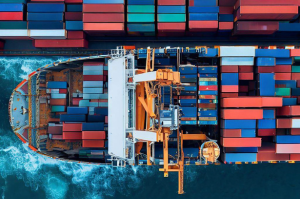
In the world of global logistics, the safe and efficient transportation of temperature-sensitive goods is a critical challenge. Sea freight, with its extended transit times and exposure to diverse environmental conditions, poses unique risks for maintaining the integrity of such shipments. Understanding the intricacies of sea container temperature protection and leveraging advanced technologies like the TLX Fibre-Flex PCM for sea freight can make a significant difference in safeguarding valuable cargo.
The Importance of Temperature Protection in Sea Freight
Temperature-sensitive goods, such as pharmaceuticals, perishables, and chemicals, require stringent temperature control to preserve their quality and efficacy. During sea transportation, these goods are exposed to several challenges and are at high risk during the unplug period at port.
1.Unplug at port
Active reefer containers tend to be stable during transportation, however their major weakness is when they are unplugged during loading and unloading at port. This leaves the container without power for between 1-8 hours. During this period temperature excursions are likely as the containers heat up quickly especially in direct sunlight exposure
2. Temperature Fluctuations
Reefer containers journey through various climatic zones, encountering significant temperature fluctuations. Thermal covers help in maintaining a stable temperature within the sea container, reducing the risk of temperature excursions. This is particularly important for products that need to remain within specific temperature ranges to preserve their quality and efficacy.
3. Solar Radiation
Containers on the deck of a ship are directly exposed to sunlight, causing rapid temperature increases inside the container. Solar radiation is a major concern, especially in tropical and subtropical regions where the intensity of sunlight is highest.
4. Humidity and Condensation
Humidity levels can vary drastically during sea transit, leading to condensation within the container. This moisture can damage sensitive goods and promote the growth of mould and bacteria.
5. Prolonged Transit Times
Sea freight often involves longer transit durations compared to air or land transport. The extended time frame increases the risk of temperature excursions and demands robust temperature control solutions.
Advanced Solutions for Temperature Protection
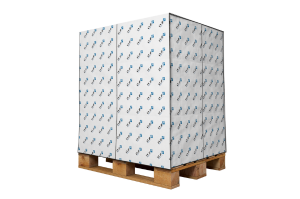
TLX Fibre-Flex PCM offers a practical and efficient solution for reefer container temperature protection. It’s designed to regulate temperatures within the container, providing an additional layer of insulation against external temperature variations.
To mitigate these risks, the logistics industry has developed various innovative solutions. TLX Fibre-Flex PCM for sea freight, designed specifically to address the challenges of temperature control during sea transport.
Introducing TLX Fibre-Flex PCM
The TLX Fibre-Flex PCM (Phase Change Material) is an advanced solution that integrates Phase Change Materials with Fibre-Flex Technology. This unique combination offers unparalleled protection for temperature-sensitive goods during ocean freight. Here’s how it works:
1. Phase Change Materials (PCMs)
PCMs are substances that absorb and release thermal energy during the process of melting and freezing (phase change). This property allows PCMs to maintain a stable temperature within a specific range. The TLX Fibre-Flex PCM utilizes this technology to absorb excess heat and release it when the temperature drops, ensuring a consistent internal environment.
2. Fibre-Flex Technology
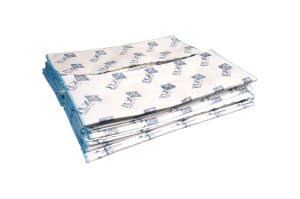
Fibre-Flex Technology enhances the flexibility and durability of the PCM belts. This technology allows the belts to mould to any shape, making them versatile and easy to handle. The belts remain flexible even when frozen, ensuring that they can be used effectively in various applications.
Key Features and Benefits of TLX Fibre-Flex PCM
The TLX Fibre-Flex PCM offers a range of features and benefits that make it an ideal solution for sea container temperature protection:
1. Extended Protection During Power-Off Periods
One of the critical stages during sea transport is the power-off period at ports. During these times, the refrigeration units in containers may be turned off, leading to temperature fluctuations. The TLX Fibre-Flex PCM belts provide 7-10 hours of protection during these periods, preventing temperature excursions and safeguarding the cargo.
2. Versatility in Temperature Ranges
The TLX Fibre-Flex PCM system is designed to maintain temperature-sensitive products within the 15-25°C or 2-8°C range. This versatility makes it suitable for a wide range of goods, including pharmaceuticals, perishable foods, and chemicals.
3. Lightweight and Flexible
The PCM belts are lightweight and thin, making them easy to install and handle. Their flexibility ensures that they can adapt to various shapes and sizes, providing comprehensive coverage for different types of cargo.
4. Prevention of Temperature Excursions
By absorbing excess heat and releasing it when needed, the TLX Fibre-Flex PCM belts prevent temperature spikes and drops, maintaining a stable internal environment. This is crucial for preserving the quality and efficacy of temperature-sensitive goods.
5. Environmentally Friendly
The TLX Fibre-Flex PCM system is designed with sustainability in mind. It offers a reusable solution, contributing to environmentally friendly shipping practices.
Best Practices for Using TLX Fibre-Flex PCM
To maximize the effectiveness of the TLX Fibre-Flex PCM system, it is essential to follow best practices:
1. Pre-Cool Containers
Before loading temperature-sensitive goods, pre-cool the container to the desired temperature. This helps create a stable environment from the beginning of the journey.
2. Proper Installation
Ensure that the PCM belts are installed correctly, covering all critical areas. Lightly winding stretch wrap around the walls can help secure the belts in position.
3. Monitor Temperatures
Use temperature data loggers to monitor the internal conditions of the container throughout the journey. This allows for real-time tracking and immediate action if temperatures deviate from the desired range.
4. Plan Shipping Routes Carefully
Select shipping routes that minimise exposure to extreme weather conditions and schedules that shorten power-off durations at ports.
5. Training and Awareness
Ensure that all personnel involved in the shipping process are trained in handling temperature-sensitive goods and are aware of the best practices for using the TLX Fibre-Flex PCM system.
Providing Effective Temperature Protection

Effective temperature protection is crucial for ensuring the safe transport of temperature-sensitive goods via sea freight. The TLX Fibre-Flex PCM for sea freight offers a premium solution to mitigate the risks associated with temperature excursions. By integrating Phase Change Materials with Fibre-Flex Technology, this innovative product provides extended protection, versatility, and reliability.
Effective temperature protection is essential for the safe transport of temperature-sensitive goods via sea freight. The TLX Fibre-Flex PCM for sea freight presents a premium solution to mitigate the risks of temperature excursions. By combining Phase Change Materials with Fibre-Flex Technology, this innovative product delivers extended protection, versatility, and reliability.
Adopting advanced solutions like the TLX Fibre-Flex PCM and following best practices can significantly enhance the integrity of your shipments, ensuring that they arrive at their destination in optimal condition. As the global demand for reliable and efficient shipping solutions continues to grow, investing in robust temperature protection measures is not just a necessity but a strategic advantage.
Interested to Find out More?
For more information on TLX Fibre-Flex PCM and how it can benefit your shipping needs, visit our product page.
Why not get in touch with TLX Cargo for a quotation. We would love to hear from you. Our helpful team are on hand to help, simply call 01204 695666 or email us at sales@tlxinsulation.co.uk.