The pharmaceutical logistics landscape is undergoing a major transformation. Soaring air freight costs, mounting environmental concerns, and increasingly complex regulatory requirements are pushing companies to rethink how they move sensitive medicines. What was once considered a niche or even risky option has now become a serious contender: temperature controlled sea freight.
Once seen as too slow or unreliable for temperature-sensitive pharmaceuticals, ocean transport has entered a new era. Thanks to advances in reefer shipping containers, better shipment monitoring technologies, and passive cold chain packaging solutions like TLX Cargo’s PCM Belts, pharma companies can achieve safe, compliant, and sustainable deliveries across global sea lanes.
In addition to these high-tech reefers, passive thermal protection plays a major role, for example, thermal cargo blankets and thermal pallet covers can be used to wrap or shield pallets inside containers, helping to buffer against temperature fluctuations during long sea voyages.
At TLX Cargo, we are proud to be driving this change. Our validated TLX PCM Belts (Phase Change Material belts) are designed specifically to keep pharmaceutical products within the correct temperature range, ensuring compliance with GDP standards while reducing cost and environmental impact.
Air freight has long been the default for transporting high value and temperature sensitive products such as vaccines, insulin, biologics, and APIs (active pharmaceutical ingredients). But the economics are shifting dramatically. With air cargo rates still inflated after the pandemic and supply chains under pressure to cut spend, sea freight is now a far more attractive option.
On average, temperature controlled sea freight is five to ten times cheaper than air cargo. For bulk pharmaceutical shipments, that difference can mean millions in annual savings. Longer shelf-life products, non-urgent deliveries, and stable formulations are increasingly being moved by sea rather than air.
By equipping containers with PCM Belt technology, pharma manufacturers ensure that products stay within required +2°C to +8°C or +15°C to +25°C ranges for weeks at a time. This combination of lower cost and proven reliability is fuelling the growth of temperature controlled sea freight.
A single temperature excursion, a deviation from the required range, can degrade drug efficacy, trigger regulatory violations, or even endanger patients. That’s why TLX Cargo designs passive thermal packaging using phase change materials (PCM), multi-layer reflective barriers, and flexible insulation to protect pharma freight through the most challenging legs of global distribution.
The biggest historical concern with reefer shipping has always been temperature stability. Ocean voyages are long, often lasting three to six weeks, and conditions can vary significantly. Containers can be exposed to heat at ports, delays during customs checks, or power failures at transhipment hubs.
Traditional refrigerated containers (reefers) have improved but remain vulnerable to breakdowns and inconsistent performance. Relying solely on active cooling systems has always carried risk.
During these vulnerable unplug periods, using thermal blanket pallet covers or thermal blankets for pallets can help maintain internal temperature, reducing the risk of temperature excursions when the container’s cooling system is offline.

That is why TLX Cargo developed TLX PCM Belts. Acting as a passive thermal buffer, these belts absorb and release heat at a controlled rate, maintaining a constant internal environment. Validated under real world shipping conditions, they provide:
By combining passive PCM technology with container-based refrigeration, pharma companies gain an extra layer of protection against temperature excursions during reefer shipments. The result: fewer rejected loads, higher compliance, and complete confidence in long-distance cold chain operations.
Sustainability is now a top priority in global pharmaceutical supply chains. Governments, investors, and patients alike expect companies to cut emissions and reduce waste. Air freight, while fast, is also highly polluting, producing up to 47 times more CO₂ per ton-kilometre than sea transport.
Switching to temperature-controlled sea freight can help companies achieve significant carbon reductions while maintaining product quality. The environmental benefits include:
Lower emissions: Each ocean shipment drastically reduces a company’s carbon footprint compared with equivalent air freight.
Less packaging waste: TLX’s reusable PCM Belts replace single-use thermal packaging, contributing to circular supply chain goals.
Dry ice free shipping: Our passive cooling solutions avoid the need for dry ice, which not only emits CO₂ but also poses handling and safety challenges.
As part of its green logistics drive, TLX supports reusable solutions, thermal pallet covers can be returned and reused across shipments, reducing waste compared to single-use options.
By making sea freight viable for sensitive pharmaceuticals, TLX Cargo enables companies to align their logistics operations with ambitious ESG targets while ensuring patient safety worldwide.
Packaging technology is only one part of the cold chain puzzle. Successful reefer shipping for pharmaceuticals requires careful planning and constant monitoring. This is where experience and expertise make the difference.
At TLX Cargo, we partner with clients to design tailored strategies for temperature controlled sea freight. This includes:
Route-specific PCM configurations to match transit times and climate conditions
Validated standard operating procedures (SOPs) for sea lanes across Europe, Asia, and the Americas
Temperature mapping and monitoring systems to detect risks early
Regulatory compliance consulting to meet GDP, WHO, and market-specific requirements
To address challenges such as solar heating, humidity shifts or long dwell times, companies can combine active reefer control with thermal pallet covers to provide supplementary insulation and safeguard temperature-sensitive goods.
Around the world, leading pharmaceutical manufacturers and logistics providers are already reaping the rewards of switching to temperature controlled logistics by sea.
Examples include:
Cost savings of up to 70 per cent on bulk vaccine shipments previously moved by air
Carbon reduction targets met years ahead of schedule, supporting corporate ESG reporting
Regulatory approvals in new markets thanks to validated cold chain processes
Zero product loss during port delays and reroutes, even under challenging conditions
These results prove that temperature controlled ocean transport is not just an alternative to air freight, it is becoming the new standard for non-urgent, bulk, and stable pharmaceutical products.
The writing is clear: temperature controlled sea freight is no longer experimental. It is a central pillar in the future supply chain strategies of pharmaceutical and biotech companies worldwide.
Making the transition, however, requires more than just choosing a reefer container. It demands reliable cold chain packaging, validated processes, and trusted partners who understand the complexity of pharma logistics.
At TLX Cargo, we provide all three. From GDP compliant PCM Belt solutions to hands-on support with route design and compliance, we help pharmaceutical companies cut costs, reduce emissions, and deliver life-saving medicines safely across every ocean mile.
Going forward, as sea freight continues to scale for pharma, we expect broader deployment of passive thermal systems, including thermal blanket pallet covers alongside traditional reefer technology.
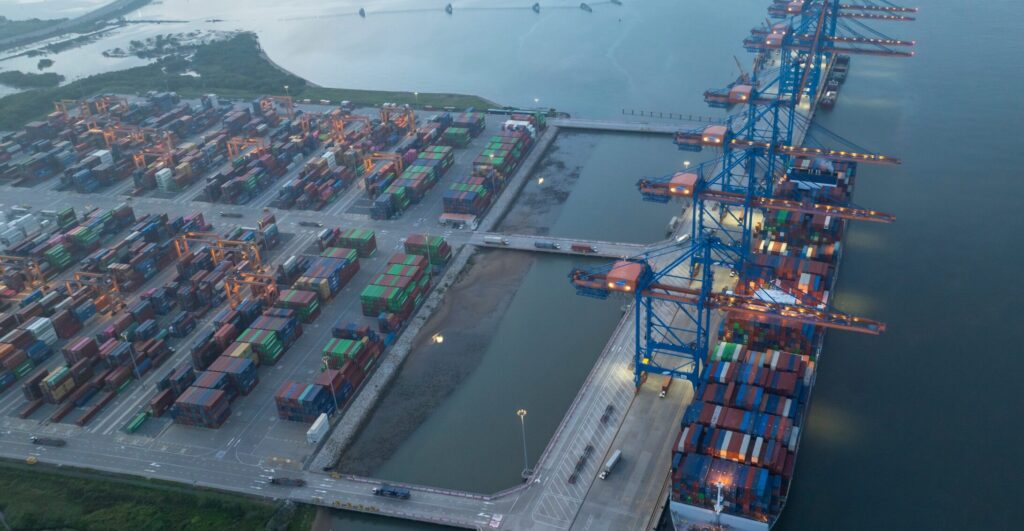
Ready to explore sea freight for your pharma supply chain?
Let’s talk. [Contact TLX Cargo] to discover how our TLX PCM Belt systems can transform your cold chain and unlock the full potential of temperature controlled sea freight.