Air Freight in Pharma Logistics Carries Hidden Costs

25th October 2025

In pharmaceutical logistics, air freight has long been considered the gold standard for speed and reliability. When moving high-value, temperature-sensitive drugs across borders, it’s the default for many global companies. But as supply chains become more cost- and sustainability-focused, the flaws in this approach are becoming harder to ignore. The truth is, air freight in pharma logistics carries a range of hidden costs, from packaging inefficiencies and underutilised space to temperature excursions and sustainability penalties. These hidden costs can quietly erode profit margins and complicate compliance efforts. At TLX Cargo, we work closely with pharmaceutical manufacturers, 3PLs, and logistics planners to identify and reduce these inefficiencies. Through innovative passive packaging like our TLX Polarap, and strategic support across the cold chain, we help make air freight smarter, safer, and more cost-effective. Here’s a breakdown of the most common hidden costs, and how to avoid them.

1. The High Cost of Active Containers

Active containers, refrigerated ULDs that use battery-powered or electrically cooled systems, are widely used in air freight for pharma due to their high thermal protection. However, they come with significant drawbacks:
  1. High rental fees and asset return costs
  2. Strict handling requirements
  3. Limited dwell-time flexibility
  4. Increased carbon footprint due to energy use
While active containers are necessary for ultra-cold or highly sensitive biologics, they’re often used unnecessarily for products that could travel safely in passive packaging. TLX Polarap, using advanced phase change material, deliver thermal protection within +2°C to +8°C or +15°C to +25°C, depending on the product’s requirements. They’re reusable, lighter, and eliminate the need for powered cooling, making them ideal for many temperature-sensitive but stable products. Switching from active to passive solutions where appropriate can reduce costs by 30–50% on a per-shipment basis.

2. Wasted Payload and Weight Inefficiencies

Another often-overlooked issue in air freight for pharma logistics is inefficient use of space and weight:

  1. ULDs (Unit Load Devices) are often underfilled, but still charged at full capacity.
  2. Heavy packaging materials (like dry ice or oversized thermal containers) reduce payload capacity.
  3. Weight-based pricing models penalise inefficient packing.

TLX Polarap is lightweight, compact, and designed for modular loading. This allows pharma shippers to:

  1. Increase payload-to-packaging ratio
  2. Fit more product per air container
  3. Reduce reliance on bulky packaging
  4. Cut unnecessary freight fees

    Lighter, space-efficient packaging increases usable cargo space, reducing unit freight costs and maximising ROI on every shipment.
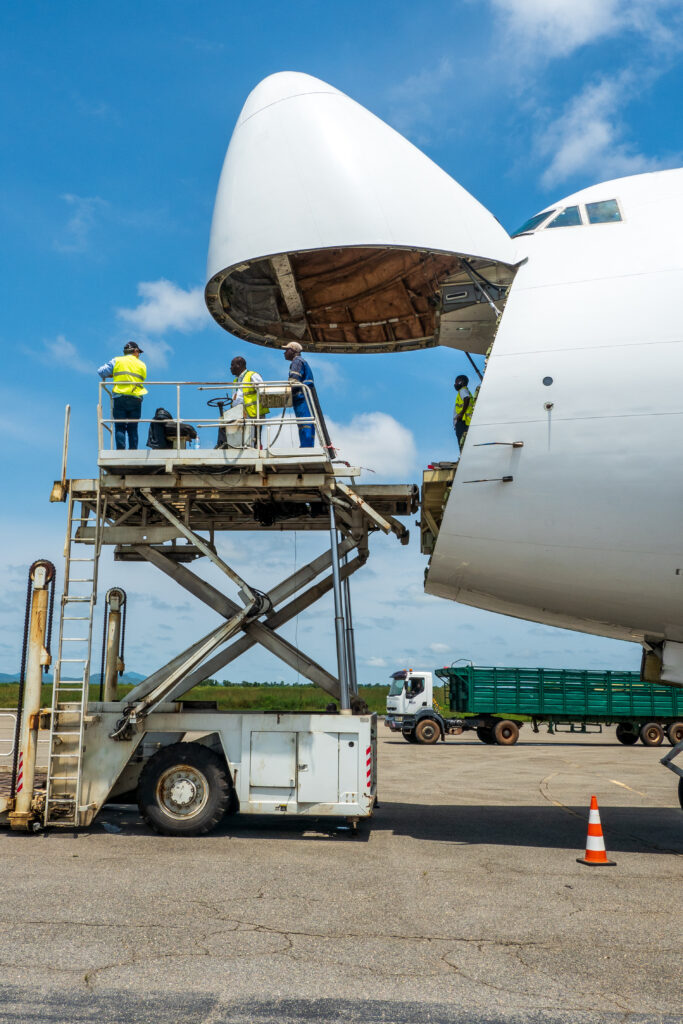
Garoua Cameroon October 3rd 2020 A Boeing 747 Jumbo

3. Overreliance on Speed for All Products

Air freight is unmatched in speed, but not every product needs to arrive in 48 hours.

Many pharmaceutical products, such as diagnostic kits, oral therapies, and APIs, are temperature-sensitive but not urgent. Using premium air freight for stable, long-shelf-life items results in overpayment and under-optimisation.

At TLX Cargo, we help clients conduct product risk segmentation, identifying which SKUs can shift to ocean freight or multimodal transport without sacrificing product integrity.

By using validated PCM packaging, even longer-duration shipments can maintain strict temperature ranges, while reducing emissions and cost.

Smart segmentation can shift 30–60% of SKUs away from air, unlocking substantial cost savings and sustainability improvements.

4. Delays = Excursions = Risk

Air freight in pharma logistics isn’t immune to disruption. Flights get delayed. Customs processing takes time. Cargo waits on hot tarmacs or sits in unregulated warehouse areas.

Each of these moments introduces the risk of temperature excursions, which can lead to:

  1. Product loss and insurance claims
  2. Regulatory violations (GDP, WHO, FDA)
  3. Reputational damage

TLX Polarap provide 7-10 hours of critical protection This provides a protective thermal buffer during:

  1. Flight delays or cancellations
  2. Layovers and dwell time at airports
  3. Customs clearance bottlenecks


With proper pre-conditioning and SOPs, passive packaging becomes a reliable safeguard against in-transit delays.

Protecting against delays reduces the cost of spoilage, improves delivery success rates, and strengthens regulatory compliance.

5. Environmental & Regulatory Blind Spots

Air freight is the highest-emission mode of transport up to 47 times more CO₂ per ton-kilometer than ocean freight. With ESG reporting and Scope 3 emissions under increased scrutiny, pharma companies are being held accountable.

Beyond emissions, many air freight shipments rely on non-recyclable, single-use packaging, contributing to landfill waste and missed sustainability targets.

TLX Polarap is:

  1. Reusable
  2. Recyclable
  3. GDP-compliant
  4. Dry ice–free

    This supports customers in meeting regulatory requirements and corporate ESG goals, without compromising cold chain integrity.

Smarter packaging choices support sustainability, compliance, and positive brand equity.

TLX Cargo’s Approach: Smarter, Leaner Pharma Freight

Whether you’re shipping by air, ocean, or a hybrid model, TLX Cargo equips pharmaceutical shippers with end-to-end cold chain confidence. Our solutions are tailored for both performance and practicality, combining engineering, regulatory insight, and logistics strategy.

Our clients range from global pharmaceutical manufacturers to biotech startups and 3PLs, all facing the same challenges: cut cost, stay compliant, and reduce environmental impact. We deliver on all three.
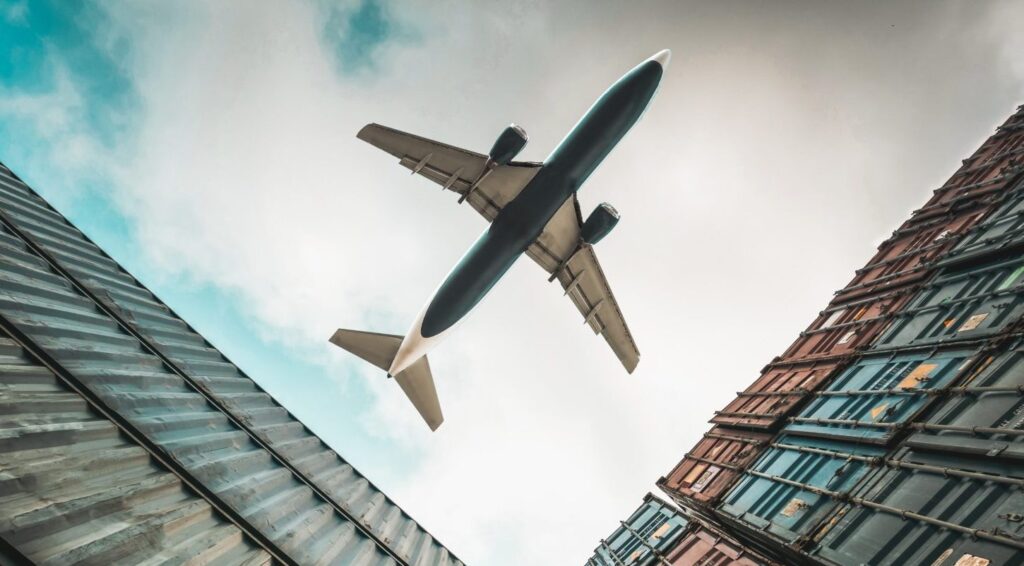
Air freight in pharma logistics: cargo plane flying over refrigerated containers transporting temperature-sensitive goods

Air Freight Can Be Smarter, Let’s Make It Happen

Polarap Render
Air freight remains a critical part of pharma logistics, especially for urgent and high-value therapies. But fast shouldn’t mean inefficient. With smarter packaging, strategic route planning, and proper product segmentation, pharma companies can retain the benefits of speed while eliminating the waste, risk, and excess cost. At TLX Cargo, we help make that possible. Our TLX Polarap PCM technology, combined with pharma-grade logistics support, brings resilience and flexibility to your air freight operations.

Want to optimise your air freight strategy?


Let’s connect. [Contact TLX Cargo] to learn how our solutions can reduce cost, weight, and risk, without sacrificing temperature performance.